
Graham Waite
May 9, 2026

The Week Cambridgeshire Asked: “So What Actually Changed?” |
Last week, Cambridgeshire had a strong case of “we’ll see”. This week, we are seeing.
Renters’ rights have changed. GP access is supposed to be more digital. Cambridge Market Square is still stuck in decision-watch territory.
Bills are still arriving with far too much confidence. Pubs are still full on Saturday and nervous by Tuesday.
That is the thing about promises. They sound clean when they are announced.
They get messier when they reach kitchens, phones, inboxes, rent renewals, school runs and card machines.
Imran from St Neots put it neatly:
“I don’t mind change. I mind being told something is fixed when I’m still stuck in it.”
That is the mood of this issue.
We’re following the threads readers picked up from last week: GP app stories, pets in rented homes, Market Square worries, bills that made people blink, meals that may or may not have justified themselves, and the local systems that still seem to need a translator.
Progress is not a press release. It is whether the thing works when someone tired, busy or skint tries to use it.
If it only works on paper, it doesn’t work.
Tell us what changed for you this month: your town, what happened, and whether it actually made life easier.
|
 |
GP Apps: Help, Hindrance Or Just A New Queue? |
Sophie from Ely did not object to using the online GP form. That bit matters.
She did not want to sit on hold at 8am.
She did not want the redial lottery.
She did not want to explain symptoms in a rush while making breakfast and pretending the whole house wasn’t listening.
But the form still made her feel like she was doing the wrong exam.
One question did not quite fit.
Another made her wonder if she was overreacting. She sent it anyway, then waited hours for the callback while replaying whether she had described things properly.
NHS England says GP practices in England have been required to keep online consultation tools open during core hours since 1 October 2025, at minimum for non-urgent appointment requests, medication queries and admin requests.
That sounds sensible.
For some people, it is.
No phone queue.
No redial battle.
More chance to write things down.
But for older residents, anxious patients, people with poor English, people without easy internet access, or anyone whose symptoms do not fit the little boxes, it can feel like one more job before they get help.
Useful rule of thumb: say what changed, how long it has been happening, what you have already tried, and whether anything is getting worse.
If the form is not manageable, say that clearly when you contact the surgery.
A good pharmacist, private GP or local health clinic can help people work out which door to use: GP form, pharmacy advice, urgent care, 111, or something that should not wait.
It’s not access if you need help accessing the access.
Tell us your town, what you tried, how long it took, and whether you got help the same day.
|
 |
Renters Can Ask For Pets. But Will Landlords Actually Say Yes? |
Mia from St Neots has a nervous spaniel and a rental renewal coming up.
So yes, the new rules matter to her.
From 1 May 2026, private renters in England gained new protections under the Renters’ Rights Act, including the right to request a pet.
Government guidance says tenants should ask in writing, include a description of the pet, and landlords cannot refuse without a fair reason. That sounds like progress.
Mia’s worry is more practical:
“If I ask, will they properly consider it or just decide I’m too much hassle?”
There’s the gap.
Pets are family. Landlords also worry about scratched floors, noise, neighbours, gardens, allergies, cleaning, insurance and what happens after the tenant leaves. Both sides have real concerns.
The answer may still be no.
It just needs to be more thought-out than “I don’t fancy it.”
This is where Suzanne at Y-US Lettings is useful.
She is Peterborough-based, works across parts of Cambridgeshire, and is offering renters and landlords a free 15-minute consultation to talk through how the Renters’ Rights Act affects them in real life.
That matters because this is exactly the sort of law where people hear the headline, then get stuck on the practical bit.
For dog owners, Raimonda, our resident dog trainer, is also giving readers free access to Smarter Paws Hub, her digital dog training hub.
That gives renters something stronger than “my dog is lovely”. Training, routines and good habits make a pet request feel less risky.
A right to ask gets the door open.
A thought-out case gives the landlord less reason to close it.
If you rent with a pet, tell us where in the county you live, whether your landlord said yes or no, and what helped your case. |
Attention Pet Lover: We'd love to invite you to join our new local FREE Local Pet Insider newsletter click the image below to sign up.⏬⏬⏬ |
 |
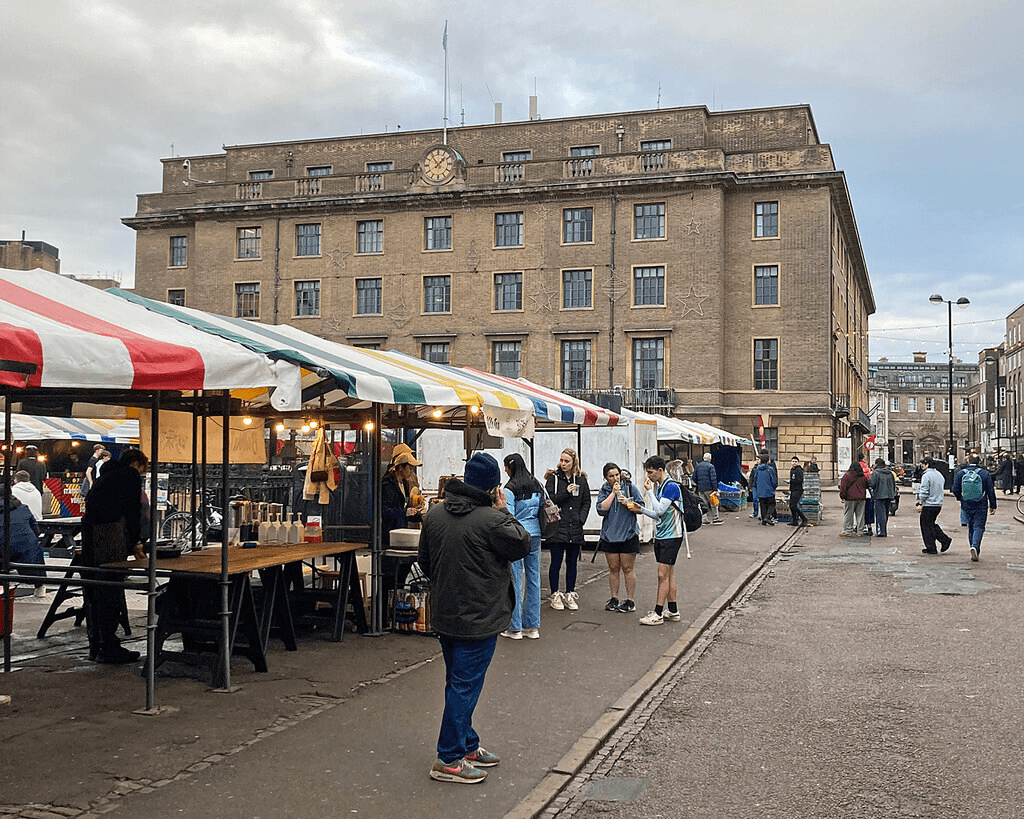 |
Market Square: Still Waiting, Still Wincing |
Florence from Chesterton has not changed her view.
“I just don’t want them to improve it into something worse.”
That is still the Cambridge Market Square argument.
Cambridge City Council says a further Cabinet and Full Council decision on the wider Civic Quarter project is expected in autumn 2026 before any work could start from January 2027.
The council says Market Square and the Corn Exchange would close during construction if the project proceeds, with Market Square work expected to take 12 months.
There is another important bit too.
The Market Square and public-realm planning applications were deferred in March 2026 so details around road safety, cycle parking and traffic regulation orders could be refined before coming back to planning committee.
That is the official version.
The local version is simpler.
Where do traders go?
Who survives the disruption?
Does the market still feel like a market afterwards?
Are the cobbles, fountain and old Cambridge feel respected?
Or does the square get put through the usual “improvement” machine until it looks easier to manage and harder to love?
People are not against better access, better stalls, cleaner facilities or less faff.
They are against losing the thing itself.
Until a trader can say, “Yes, this actually works for us,” the job isn’t done.
What should absolutely not be lost from Market Square?
Tell us the thing you’d protect first: traders, cobbles, fountain, food stalls, flowers, second-hand books, the whole slightly wonky feel.
Photo © Copyright John Sutton |
 |
The Bill That Made Cambridgeshire Gasp! |
Laura from Huntingdon says it was not one giant bill. It was the pile-up.
Car insurance renewal.
Higher food shop. School payment.
Fuel. A small direct debit she forgot existed.
Then a “quick” supermarket stop that cost enough to make the receipt look pleased with itself.
That is how many households are feeling it now.
Not one dramatic financial disaster. Just normal life having a go from every angle.
Official cost-of-living talk often arrives in neat graphs and percentages.
Real households experience it as a Tuesday morning where the bank app looks personally disappointed in them.
A resident in Ely told us the food shop is “death by small increases”.
A Huntingdon dad said car insurance was the one that made him stare at the screen.
Someone in Cambridge said the problem is not one category it is that everything now seems to arrive with “new pricing”.
The practical first step is boring but useful:
list the bills that renewed automatically, the ones that can be switched, the ones that can be challenged, and the ones that are annoying but not worth losing an evening over.
A financial adviser or accountant could be genuinely useful here, not with smug budgeting lectures, but with proper household triage.
You’re not bad with money. Normal life just costs more.
Send us the bill category, roughly how much it went up, and whether you switched, challenged it or just swore at the screen.
|
 |
The Meal That Was Good — But Was It That Good? |
A diner from Cambridge told us the steak was excellent.
Then the bill arrived and excellence had to defend itself.
That is eating out now. People are not judging meals by taste alone.
They are judging the whole thing: service, portion size, drinks prices, whether chips were extra, how long the table took, whether the room felt special, and whether the final number made the evening feel like a treat or an incident.
Cambridge, Ely and St Ives all have places where the food can be good and the bill still makes people pause.
That pause matters.
Because “nice” is not enough when families are choosing between one proper meal out and three cheaper evenings at home.
A restaurant can still be worth it.
A pub can still earn loyalty.
A café can still be the best money spent all week.
But the value has to show up on the plate, not just in the lighting.
The places that will win this year are not necessarily the fanciest.
They are the ones where the bill makes sense: clear prices, decent portions, good service, no silly extras, and food people would pay for again.
Good food still has to justify the bill.
Tell us where you ate, roughly what you paid, and whether you would go back at the same price.
|
Are you looking for the best places to eat out in Cambridge (and local area) plus foodie tips, advice and other fun stuff click the image below to get our FREE weekly Taste Trail newsletter. 🔽 |
 |
 |
The Mortgage Renewal Letter That Ruined The Weekend |
A homeowner from Soham opened the renewal figures and did what many people now do.
Sat down.
Rates may sound calmer on the news.
That does not help much when your own renewal quote lands higher than expected.
That is the mortgage renewal gap.
People hear “rates may ease” and hope the worst is over.
Then their own deal ends, the quote lands, and suddenly the family budget has to be rebuilt around a number with teeth.
This is not only a Cambridge problem.
It is Soham, Ely, St Ives, Huntingdon, South Cambs villages and anywhere people bought, stretched, fixed, hoped and now have to reprice life.
Ryan from Talk Mortgages, who we’ve been speaking to about local mortgage pressure, made a useful point: many homeowners wait until the renewal letter lands before looking properly at their options.
By then, the conversation feels more stressful than it needs to.
If your fixed rate ends in the next 6–12 months, check five things now:
your end date, current balance, early repayment charge, monthly budget at a higher payment, and whether moving still makes sense.
This is where a mortgage adviser does more than find a rate. They help people avoid panic decisions.
A lower rate forecast doesn’t pay this month’s mortgage.
We’re looking at putting together a simple Mortgage Renewal Shock Checklist for local homeowners.
If your fixed rate ends this year, tell us the question you want answered first. |
What to get your finger on the pulse of selling your home in Cambridge with our FREE newsletter by clicking the image below 👇 |
 |
 |
School Phones: Ban Them, Box Them, Or Admit Nobody Agrees? |
A parent from Cambourne gave us the school phone debate in one sentence:
“I want my child to have one for safety. I just don’t want them living inside it.”
That is the whole problem.
Schools want fewer distractions.
Parents want focus, fewer late-night group chat arguments and less screen fog.
Pupils want phones because, as far as they are concerned, phones are not devices they are oxygen with notifications.
The clean answer is “ban them”.
The problem is that every family is trying to solve two things at once.
What happens after school?
What about buses?
What about children walking home?
What about parents who use location sharing?
What about bullying that moves from playground to bedroom anyway?
What about homework apps, school messages and the strange modern claim that everything is “for school” while someone is watching football clips?
Cambridge and Huntingdon parents are not asking for a perfect theory.
They want a rule that survives contact with real children.
A tutor, youth mentor, independent school or after-school club could speak properly here: focus, confidence, learning habits, phone boundaries and how children cope when the glowing rectangle is not constantly available.
The phone isn’t the whole problem just the glowing bit.
Tell us your household rule: banned, boxed, bedroom-free, time-limited, or complete daily argument. |
 |
The Rivers Still Don’t Care How Warm It Gets |
The first warm spell changes behaviour near water faster than any poster campaign.
The River Cam looks inviting. The Great Ouse looks calm. Local swim spots start appearing in messages.
Teenagers head out. Younger children edge closer. Parents hover between relaxed and watchful because everyone wants the sunshine to stay pleasant.
Then real life reminds us that rivers are not leisure centres.
Cold shock, currents, weeds, uneven depth, poor visibility, slippery banks and hidden rubbish do not care that the day feels warm. They do not care that someone is a good swimmer in a pool.
A parent from St Ives told us the scary bit is how quickly confidence appears. “They see other people doing it and assume it must be fine.”
That is the danger.
Summer makes rivers look harmless.
They aren’t. One slip, one dare, one bad jump, and there may be nobody nearby who can fix it fast enough.
A swimming instructor or family safety provider could make this advice useful instead of preachy: what children should know, what parents should say, which warning signs matter, and how to enjoy the river without pretending it is supervised.
Open water doesn’t care how confident you feel.
Tell us the local spot where people need reminding: town, river, lake, park or bridge. |
 |
The Back Pain Everyone Keeps Pretending Is Normal |
Back pain has become one of those local complaints people mention while standing up like a folding chair.
Desk work. Driving. Lifting children. Carrying shopping. Weekend DIY. Gym enthusiasm. Bad mattresses. Kitchen-table working.
The chair that was “fine for now” in 2020 and has somehow become part of the household.
A reader from Histon said: “I keep saying it’ll probably go away, which has been my plan for about eight months.”
Strong plan. Terrible plan.
People normalise pain until it starts shaping the week.
They avoid walks. Sleep badly. Stop exercising. Move differently. Then one day they sneeze and briefly reconsider every life choice.
Tola from TMacLife, which is moving/opening its physiotherapy and recovery clinic at Old Station Quarter, has been talking to us about the everyday aches people ignore until they become bigger problems: desk backs, stiff hips, shoulder pain, gym tweaks and the classic “I thought it would settle” injury.
This is where a physio becomes useful before things get dramatic.
Not every ache needs treatment.
But people need to know when to rest, when to move, when to strengthen, and when to stop pretending a dining chair is a workstation. Normal does not mean fine.
We’re looking at building a simple back-pain checklist with Tola for desk workers, drivers and parents.
Tell us the ache you keep putting up with and what you think caused it. |
 |
Council Tax: More Money, Same Old Grumbles |
A resident from Ely said what many people think when the council tax bill arrives:
“If it costs more, I’d like at least one thing to feel less broken.”
That is not unreasonable.
Council tax is one of those bills people understand emotionally even when the finance is complicated.
They do not read it like a budget paper.
They read it through potholes, bins, planning delays, libraries, street cleaning, social care, parking, roads and whether anyone answers when something goes wrong.
The official argument is always that services cost money.
Fair.
The local response is: then let people see the service.
Cambridgeshire and Peterborough have also been going through the wider local government reorganisation conversation, with consultation on proposals for new unitary authority structures closing in March 2026.
Maybe reform improves things. Maybe it just changes the letterhead.
People will not judge it by diagrams.
They will judge it by the same old things: roads, bins, planning, tax, care and whether problems stop being bounced between departments.
An accountant or local finance expert could make this useful by explaining where the money goes and what residents can reasonably challenge.
If the bill goes up, people expect something to work better.
Tell us which local service would make your council tax feel less painful and your town. |
 |
The Energy Direct Debit That Needed Its Own Interpreter |
A resident from Cambourne sent us the sort of energy bill that creates silence in a kitchen.
Not because it was the biggest bill ever.
Because nobody could explain it.
Usage, estimate, credit, standing charge, tariff, adjustment, direct debit, smoothing, account balance all sitting there like a small financial escape room.
Energy companies and suppliers talk about spreading payments and avoiding seasonal shocks.
Households often experience it as opening the app and wondering whether the number has any connection to reality.
This matters more in newer developments too, where residents may already be dealing with service charges, estate management fees, heating systems, broadband restrictions and the sense that modern homes come with more logins than cupboards.
The promise is control.
The reality is a bill many people cannot translate.
A good energy adviser or heating specialist would start with plain English: what changed, what is estimated, what is fixed, what can be challenged, and whether the issue is usage, tariff, insulation, heating or billing nonsense.
If people can’t explain the bill, they won’t trust it.
Send us the confusing bit: what changed, what the supplier said, and whether the direct debit now makes sense. |
 |
Cambridgeshire Common Sense Quiz: Consultation Edition |
Time for a quick test.
A local public project has been discussed, consulted on, reviewed, revised, delayed, reconsidered, presented, deferred and described using words nobody would say in a chip shop.
Do you:
A) Believe everything is now much clearer.
Dan from Histon says local consultations sometimes feel like
“being asked what you think of dinner after someone has already cooked it, plated it and sent the bill.”
Harsh. Not entirely unfair.
The serious point is simple.
People are not against being asked. They are against being asked in ways that feel like decoration.
If residents, traders, parents, drivers, renters or business owners give their time, they want proof the answer matters.
Not a polite thank-you and a slightly renamed version of the same plan.
Score yourself one point for every phrase that made you sigh:
“Engagement.”
Actually, take two points off for that last one unless someone is mocking it.
If consultation fixed things, we’d be finished by now.
|
 |
The Pub Bill That Made “Just One More” Feel Ambitious |
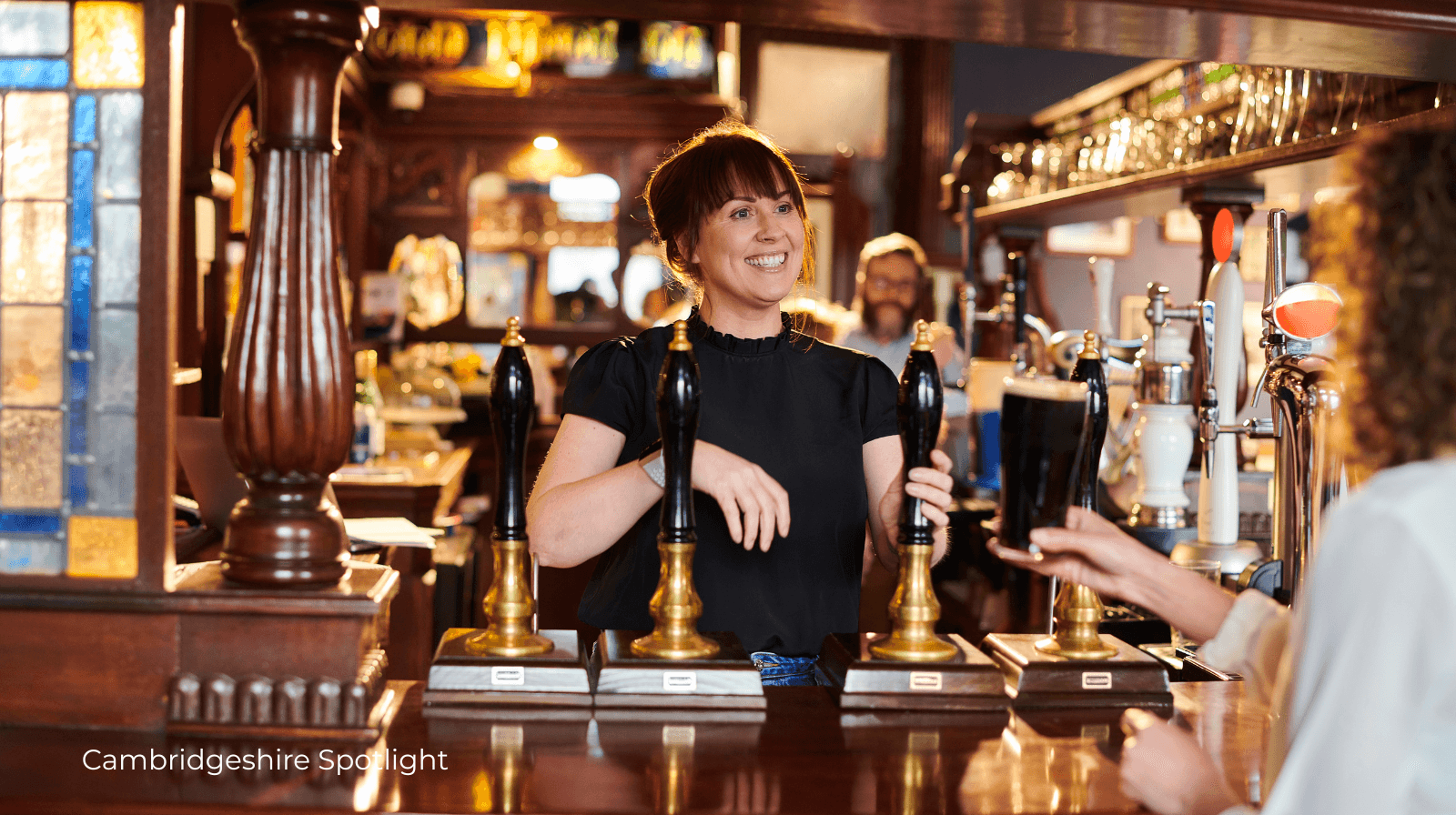
Jamie from March says people still think a busy pub is a safe pub. He wishes it were that simple.
Saturday can look strong. Sunday lunch can be full.
The Facebook photos look cheerful.
The bar sounds alive. Then Monday, Tuesday and Wednesday arrive with wages, food costs, beer costs, rent, energy, insurance, maintenance, card fees and customers who still understandably wonder why a burger costs that much.
That is the pub squeeze.
Customers feel the price rise. Owners feel the margin collapse. Both are telling the truth.
This is why “it was packed when I went” is not enough.
A pub can be full during the visible hours and still struggle across the week.
A restaurant can turn people away on Saturday and worry about supplier bills on Tuesday.
A café can sell plenty of coffee and still not have enough left after everything else takes a bite.
A hospitality accountant or business finance adviser could make this less mysterious:
what a full room actually earns,
why staffing hurts, why energy still bites and why cheaper prices are not magic.
A full pub is not the same as a healthy pub.
Nominate a pub that still feels worth the money.
Tell us what you ordered, roughly what it cost, and whether you’d go back. |
Find out whats going on on the Cambridge hospitality scene and get foodie tips , reviews and advice and more by clicking the image below |
 |
 |
The After-School Club Bill That Makes Work Possible And Pricier |
A parent from Huntingdon put it plainly:
“After-school club is not a treat. It’s how I stay employed.”
That is the bit often missed.
Wraparound care sounds like a family convenience.
For many parents, it is work infrastructure. Without it, the job does not work, the commute does not work, the meeting does not work, the whole carefully stacked weekday collapses.
But the bill still lands heavily.
Club fees. Extra sessions. Late pickup stress. Holiday cover. Activity costs. Packed lunches. Petrol.
The small admin circus of remembering who is where, when, with what kit.
The promise is support for working families.
The reality is that parents often pay heavily for the hours around the hours.
In St Ives, Huntingdon, Cambridge and the villages, plenty of families are not asking for luxury.
They are trying to make school hours and work hours stop fighting.
A childcare provider, after-school club or family finance adviser could speak usefully here: what good provision actually costs, how parents can plan, what employers should understand, and why children’s activities are not just “nice extras”.
Working parents pay for the hours around the hours.
Tell us your town, weekly wraparound cost, and whether it changes your work choices. |
 |
Would You Pay More Rent To Keep The Dog?
|
How much is keeping the dog worth? That is not a cute question if you rent. It is a brutal one.
Would you pay £25 more a month? £50?
Move farther out? Take a smaller place? Lose the garden? Accept worse parking? Stay with a landlord you dislike because they said yes to the spaniel?
A dog owner from St Neots told us she would move towns before giving up her Labrador.
Another reader said she loves her cat but cannot afford to lose every decent rental option over it.
That is where housing policy becomes emotional.
Pets are not accessories. They are company, routine, grief support, children’s comfort and, often, the only creature in the house who doesn’t argue back.
But landlords worry about real things too: damage, smells, gardens, neighbours, insurance, cleaning, flooring and future tenants with allergies.
The useful answer is not shouting “pets good” or “landlords bad”.
It is practical agreement: ask in writing, be honest about the pet, show training and routine, offer previous landlord references if you have them, and make it easy for the landlord to picture the risk being managed.
Raimonda’s free Smarter Paws Hub access could be genuinely useful here for dog owners who want to make a stronger case.
A better-trained dog is not a legal guarantee, but it is better than “trust me, he’s lovely.”
Would you pay more to keep your pet?
Tell us the animal, where your from, and what you’d realistically give up before giving them up. |
 |
The Dental Queue Nobody Knows How To Fix |
A resident from Huntingdon told us she stopped trying to find an NHS dentist and started hoping nothing hurt.
That is not a plan. That is a holding pattern with teeth.
Across Cambridge, Ely, Huntingdon and the villages, the same stories keep coming back: people checking lists, ringing practices, being told books are closed, delaying routine care, then acting only when pain takes over the schedule.
The promise is that dental care is part of basic health.
The reality is that routine access can feel like a rare booking window.
This affects children, parents, older residents and anyone trying to avoid private costs.
Small dental problems become bigger ones.
Check-ups get pushed. Pain becomes the thing that finally wins the argument.
This is where a good local dental practice could be genuinely useful:
what counts as urgent, what can wait, how to stop small problems becoming expensive ones, and what families should prioritise if money is tight.
We’re building a simple “before toothache becomes a crisis” guide if enough readers want it.
The tooth usually wins before the system does.
Tell us your town, whether you have an NHS dentist, and how long it took to find one. |
 |
The Extension That Got Stuck In Planning |
A homeowner in South Cambs told us the delay itself was not the only problem.
It was everything the delay touched.
The builder’s availability. The quote. The family plan. The room that still does not exist.
The child who was meant to move bedrooms. The kitchen table covered in drawings, emails and the slow death of enthusiasm.
Planning can sound like paperwork if you are not the one living inside it.
For households, it is rarely just an application.
It is money, timing, stress, builders, materials, neighbours, school years, elderly relatives, working from home and whether the house still fits the family.
The promise is process.
The reality is that delay is not neutral when costs keep moving.
That does not mean every application should be waved through.
Local planning matters. Streets, neighbours, drainage, parking, design and countryside all count.
But the system needs to remember that people live in the waiting.
A planning consultant, architect or builder could explain this properly:
what slows applications down, what homeowners get wrong, what councils ask for, and when an idea is likely to hit trouble before money is wasted.
Delay is not neutral when builders and costs keep moving.
Tell us what part of Cambridgeshire planning authority were you dealing with, what you were trying to build, and how long the planning wait changed your plans. |
 |
Which Bill Made You Take A Breath This Month? |
We’re keeping Bill Watch going.
Because apparently the household inbox has decided to become a suspense genre.
Energy. Insurance. Broadband. Mortgage. Rent. Vet plan. School lunches. Food shop. Car repair. Mobile contract.
A subscription you forgot existed but which has been living in your bank account like a tiny lodger.
We want the bill that made you pause.
Not exact personal details. Not screenshots. Not anything private.
Just:
What was it?
Did you switch? Challenge it? Cancel something?
Ignore it for a week because you had simply had enough?
Open a comparison site and remember why people lose patience with comparison sites?
This is not misery collecting. It is local reality collecting.
Because once enough people reply, patterns appear. Car insurance. Energy. Food. Rent. School costs. Vet fees. Broadband.
A financial adviser or savings expert could then turn that into useful advice instead of another national lecture about cutting coffees.
Which bill made you take a deep breath this month?
Send us the category, rough increase, and what you did next. |
 |
How Many Signs Does It Take? |
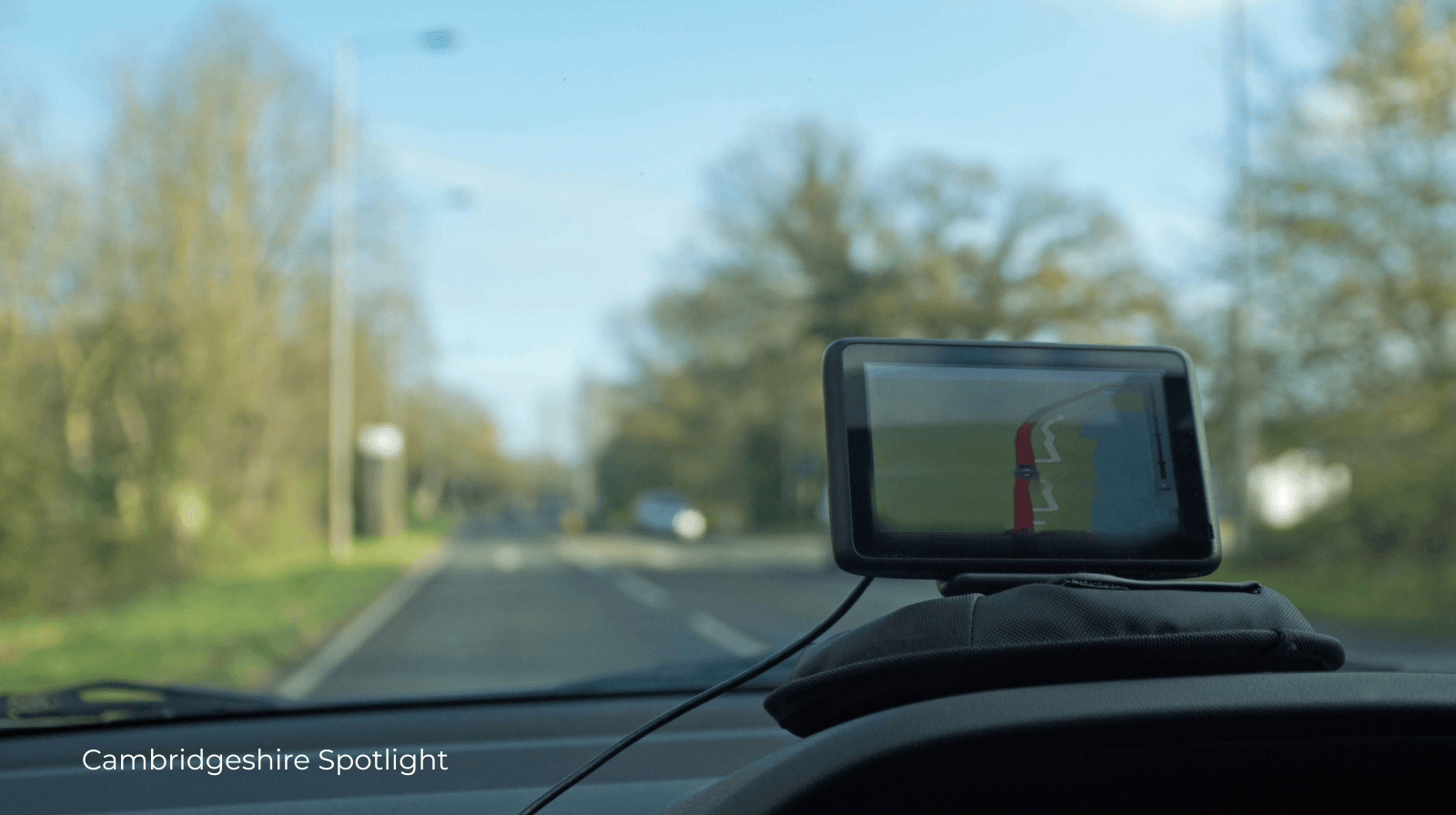
A driver from Huntingdon told us he used to laugh at guided busway car traps.
Then he nearly made the same mistake.
That is when the story changes.
The St Ives guided busway has warning signs, a reputation and enough local legend around wrong turns to fill a small museum.
And yet drivers still manage to end up where cars were very much not expected.
So yes, careless driving is part of it.
But repeated mistakes are information.
If visitors, delivery drivers, tired commuters, sat-nav followers or people unfamiliar with the layout keep making the same error, then the design is part of the story too.
Good design does not only work for people who already know the trap.
Maybe the warning comes too late. Maybe the road language is not strong enough.
Maybe sat nav needs ignoring.
Maybe drivers need to slow down and read what is in front of them.
More than one thing can be true of course.
A driving instructor, insurance adviser or dashcam installer could make this practical: what to watch for, why sat nav is not a legal defence, and how one wrong turn can become a very expensive lesson.
If the same mistake keeps happening, design is part of the story.
Have you nearly done it?
Tell us where, what happened, and whether the layout caught you out. |
 |
The Charity Shop Find That Beat Half The High Street |
A reader from Burwell found a jacket in a charity shop that looked better than half the things she had seen new.
Price: sensible. Condition: excellent. Mood: victorious.
This is the kind of small local win people love for reasons that are not entirely rational and are therefore completely correct.
A good charity shop find is not just about saving money. It is the tiny thrill of beating the system.
The good book. The nearly new vase. The child’s coat with plenty of life left. The picture frame.
The strange kitchen item you did not know you needed until it was £3 and giving you ideas.
Burwell, Ely, St Ives, Cambridge, Huntingdon, March , Peterborough every place has these little find-and-tell moments.
They matter more when costs are tight.
They make reuse practical rather than worthy.
They support local causes.
And they give people something cheerful to share that is not another bill, delay or broken form.
Are you a charity shop, repair café or independent retailer show us this week’s best finds, oddities, repairs and “how is this still here?” bargains.
The best local finds rarely look planned.
Send us the local find that made your week better: town, shop or place, what you found, and what it you paid for it. |
 |
The Local Shop That Saved More Hassle Than It Cost |
Cheap is not always cheaper.
A reader told us about a local shop that stopped her buying the wrong thing.
Sure the online version was cheaper.
The advice saved her returning it, replacing it, swearing at packaging, and losing another evening to a product review rabbit hole.
That is where local shops still win.
They cannot always beat the internet on price.
They can beat it on usefulness.
Cambridge, Huntingdon, Ely and the villages still have places where someone behind a counter knows the stock, asks the right question, and gently prevents you from making an expensive mistake.
A cobbler who saves boots.
A bike shop that spots the actual problem.
A hardware shop that tells you which fitting you need.
A local retailer who says, “Don’t buy that one for what you’re doing.”
That is not old-fashioned. That is value.
A local retailer or repair business could own this kind of feature because it shows the thing online shopping cannot fake: judgement.
Useful beats cheap more often than people admit.
Which local shop gave advice that was worth paying for?
Tell us the place, location, what they helped with, and whether it saved you money or hassle. |
 |
The Takeaway That Forgot It Was Supposed To Be The Cheap Option |
A family from St Neots told us Friday takeaway night has started requiring a small financial review.
Menu prices up.
Delivery fee.
Service charge.
Drinks forgotten.
Side dish added.
Someone wants something different.
Suddenly the lazy meal has become an event.
That is not always the takeaway’s fault.
Food costs have risen. Staff cost money. Rent and energy do not politely disappear because someone wants chow mein in pyjamas.
But customers still judge the total bill.
Takeaway night used to mean: “We can’t be bothered to cook.”
Now it can mean: “Check the basket before pressing order because that seems a bit much.”
Huntingdon, St Neots, Cambridge, Ely this is everywhere.
People still want convenience. They still want local favourites to survive. They still love the meal that appears without chopping anything.
But the value test is sharper now.
If the food is good, hot, reliable and generous, people forgive more.
If it arrives lukewarm, smaller and more expensive, loyalty gets very fragile.
Convenience gets less convenient when the bill starts showing off.
Which takeaway is still worth it?
Send the town, what you ordered, rough total and whether you’d order again. |
 |
What Should Spotlight Test Next? |
Right, your turn.
We are building the next few issues around what people actually want tested, explained or called out.
Not politely summarised.Tested.
Should we go deeper on:
GP apps — help or just another queue?
This is how the issue gets better.
Readers send the lived version. We do the digging. Local experts explain the useful bits.
Businesses that actually help become easier to spot.
Cambridgeshire has enough polished statements already.
What it needs is a place where someone can say, “Hang on, that’s not how it works when you actually try it.”
Tell us what to test next: topic, town, what happened, and what question you want answered.
If it cost you money, time, patience, or made you mutter in a car park, it probably counts as worth getting answers.
|
The County Talks Back |
This issue exists because last week’s threads did not stop when the newsletter ended.
That is exactly how this should work.
GP apps are not just a health policy story. They are Sophie in Ely trying to explain symptoms to a form.
Renters’ rights are not just legal reform. They are Mia in St Neots wondering whether her spaniel still makes her a risky applicant.
Market Square is not just a project timeline. It is Florence from Chesterton worrying that Cambridge gets “improved” into something less useful.
Bills are not abstract inflation. They are Laura in Huntingdon opening another renewal and wondering what else has to give.
Mortgage pressure is not a rate chart. It is a Soham homeowner opening a renewal quote and sitting down.
Back pain is not a wellness trend. It is someone from Histon saying “it’ll probably go away” for the eighth month running.
Next week, we’ll follow the replies.
We’ll look at the bill categories that keep coming up, whether pet-friendly renting is changing in real life, which local meals passed the value test, what readers say about GP apps across the county, and whether the services people pay for are actually worth the money.
Send us what changed, what failed, what helped, and what made you mutter this week.
This works best when the county talks back.
And if it only works on paper, we already know where that goes. |
 |
|