Graham Waite
Mar 7, 2026

Welcome To This Week's Spotlight
Energy tensions in the Gulf are back in the headlines. |
If you’ve been in a café, school playground, or supermarket queue anywhere across Cambridgeshire this week, you’ve probably heard the same phrase pop up.
“Have you seen what’s happening in the Gulf?”
The conflict tension building around shipping routes and energy infrastructure in the Gulf has been dominating national news coverage.
The details feel distant — tankers, naval patrols, oil markets.
But the conversation here in Ely, St Neots, Huntingdon, St Ives and dozens of surrounding villages quickly turns to something closer to home.
Fuel prices. Energy bills. Mortgage rates.
A mechanic in Huntingdon told us customers have already started asking whether petrol will jump again.
A café owner in Ely said suppliers mentioned the same possibility when discussing delivery costs.
No one knows exactly what will happen next. Energy markets move quickly and the UK imports a large share of the fuels households rely on.
But the mood across Cambridgeshire isn’t panic.
It’s watchfulness.
People remember what happened last time energy prices surged. And they’re wondering whether the ripple effects might return.
That question and what it means for everyday life locally is shaping conversations across the county right now.
Let’s start with housing, because the property market tends to react first. |
 |
If Oil Prices Jump Again, Could Cambridgeshire’s Housing Market Feel It? |
When global tensions push energy markets around, the effects usually reach British households through three routes.
Fuel.
The rising instability around shipping routes and oil supply in the Gulf has already prompted energy analysts and banks to watch price movements closely.
When global oil supply looks uncertain, financial markets tend to react quickly.
And that can matter in places like Cambridgeshire more than people expect.
Because if energy prices rise sharply, inflation can rise with them — and that’s when mortgage rates sometimes start moving upward again.
For homeowners and buyers, that memory is still fresh. Buyers Haven’t Forgotten the “Rate Shock”
Speak to anyone currently house-hunting across the county and the conversation almost always returns to the same subject.
Mortgage rates.
David and Sally, a couple currently looking around St Neots and the general area, told us they’ve paused their search twice in the past year.
Mortgage rates have settled compared with the peaks seen in 2023–2024, according to lending data published by the Bank of England.
But buyers remain cautious.
Many households now run the numbers several different ways before committing.
A trusted local mortgage adviser working with clients across the county told us the same pattern appears again and again.
For buyers who experienced the volatility of recent years, global headlines about energy markets suddenly feel very relevant. The Local Numbers Behind the Market
Property prices across Cambridgeshire remain above the national average in several areas, according to data from major property portals like
Typical asking prices vary widely across the county:
• Market towns often sit in the £320k–£420k range depending on property type (portal averages)
If mortgage rates shift even slightly, the monthly payment difference can be significant.
For example, a typical £300,000 mortgage moving just 1 percentage point can change repayments by hundreds of pounds per month depending on the term and deposit size (industry mortgage calculator).
That’s why buyers are watching global economic signals more closely than they used to. Meanwhile, Planning Applications Keep Coming
While buyers think carefully, housing development itself hasn’t slowed.
Planning portals across the county show multiple developments progressing around market towns and villages.
You can view proposals directly through council planning systems such as:
• South Cambridgeshire planning portal • Peterborough planning portal
Those systems show everything from small infill developments to larger estates proposed on town edges.
But the debate residents are having locally isn’t always about whether housing should exist.
It’s about timing and infrastructure.
A resident speaking after a parish meeting near St Ives summed up the frustration clearly.
That tension housing versus services is becoming a familiar theme across parish meetings and community groups. What Estate Agents Are Seeing This Spring
Early spring normally marks the start of the busiest period for the property market.
Local estate agents say listings are beginning to increase as sellers test demand ahead of Easter.
But the mood among buyers is noticeably different from the pandemic boom.
A well-known local estate agent told us the biggest change is realism.
Homes priced sensibly still attract viewings.
Homes priced optimistically often sit.
Why The Gulf Story Matters Locally
Right now nothing has dramatically changed in mortgage markets.
But the connection between global energy tensions and local housing costs is very real.
If oil prices rise sharply:
• fuel costs often increase
Suddenly a story happening thousands of miles away starts influencing whether a family in Cambridgeshire feels comfortable buying a home.
It’s another reminder that even in rural counties and market towns, global events have a habit of arriving quietly in everyday decisions. |
 |
Would rising mortgage rates stop you moving home this year? |
• Yes — we’d delay |
 |
Why Everyone Is Watching Petrol Prices Again |
At petrol stations across Cambridgeshire this week, people are doing something they haven’t done for a while.
They’re looking twice at the price board.
Fuel prices haven’t jumped dramatically yet. But drivers say the conversation has started again.
“Do you think it’ll go up because of the Gulf?”
At a forecourt near the A141 outside March, Daniel said customers have already been bringing it up when dropping off cars.
Across the UK, petrol prices are tracked daily by organisations like the RAC Fuel Watch, which monitors pump costs nationally.
Prices naturally fluctuate depending on wholesale oil costs, currency exchange rates and refinery supply.
And that’s where global events start to matter. Why Tensions in the Gulf Can Affect Local Pumps
The UK imports much of the crude oil used to produce petrol and diesel.
When shipping routes or oil supply look uncertain particularly around the Gulf, one of the world’s most important oil transit regions energy markets tend to react quickly.
If wholesale oil prices rise, the effect can eventually filter through to British forecourts.
That doesn’t always happen immediately.
But drivers remember the last few global shocks clearly.
A delivery driver filling up near Whittlesey this week put it bluntly:
For anyone curious about current UK averages, the RAC publishes regularly updated pump price data online. The UK Government introduced a new service to get the Latest Fuel Prices across the country which is updated twice a day.
There are also a few phone apps you can use
The Local Behaviour Shift
Even before prices move significantly, behaviour sometimes changes. Several mechanics told us they’ve seen drivers topping up earlier than usual.
Not panic buying exactly but keeping tanks fuller than normal.
One garage owner near Chatteris said customers had already joked about “getting ahead of it”.
The reality, of course, is that a car tank can only hold so much.
And global energy tensions often play out over weeks or months, not days.
So while some drivers are filling up sooner than usual, most are simply doing what people always do when fuel markets look uncertain.
They’re keeping an eye on the numbers. |
 |
The Slow Squeeze on Family Budgets |
For many households across Cambridgeshire, the worry right now isn’t dramatic price shocks.
It’s the slow stacking effect.
A few pounds here. Individually they seem manageable.
But together they start to change the household maths.
A parent waiting outside a primary school in Littleport summed it up neatly.
School Costs Are Becoming a Bigger Conversation
Across the county, parents say school-related costs are becoming more noticeable.
Not because any single expense is outrageous but because several arrive close together.
Common examples parents mention include:
• school residential trips
Education sector reports and council budget papers show schools themselves have faced rising costs in recent years, from transport to venue hire to staffing.
Sometimes those increases inevitably pass through to families.
A father we spoke to outside a secondary school near Ramsey said a Year 6 residential trip now costs far more than when his older child went.
Parents looking for support can check eligibility for help through the Cambridgeshire County Council website, which outlines schemes including school uniform grants and free school meals. The Rise of the “Kitchen Table Budget Meeting”
One trend popping up across market towns and villages is what families jokingly call the “kitchen table summit.”
Not a spreadsheet marathon. Just a regular conversation.
A couple in Sawtry told us they now sit down once a month and quickly review:
• subscriptions
Sometimes the outcome is simple.
Cancel something you rarely use.
Delay a purchase.
Or ask a trusted local accountant about tax allowances if you’re self-employed.
Why Fuel Prices Matter More Here
Fuel costs have an outsized impact in counties like Cambridgeshire.
Many families in villages rely on cars for everyday life.
School runs.
If global tensions around oil supply including the current situation affecting shipping routes in the Gulf eventually push wholesale oil prices higher, fuel costs could follow.
That’s why some drivers are already keeping an eye on price boards at local forecourts.
Even small increases can ripple through household budgets quickly.
And for families already juggling several rising costs, that ripple is exactly what people are hoping to avoid.
Parents: what school costs have surprised you recently?
|
Which cost would worry you most if it rose again? |
• Petrol / diesel |
Quick Local Quiz -Which Cambridgeshire town hosts the annual Eel Festival? |
A) Ely Answer later. |
 |
What Local Businesses Notice First When Energy Markets Move |
When global energy tensions dominate the news, the first people paying attention locally often aren’t economists.
They’re small business owners.
Because they tend to see the ripple effects before most customers do.
A bakery owner in Chatteris said supplier emails often provide the earliest warning.
For businesses that rely on regular deliveries — food wholesalers, drink suppliers, packaging distributors — fuel is a major part of the cost chain.
So when oil markets become volatile, conversations start quickly.
Not panic.
Just preparation.
The Unseen Adjustments Businesses Make
Rather than dramatic price increases, most small businesses make small adjustments first.
A café manager near Ely’s Market Square told us they’re already watching supplier updates closely.
Common adjustments businesses mentioned include:
• consolidating supplier orders
None of these are obvious to customers.
But they’re happening quietly behind the scenes.
Where Local Businesses Are Creating Reasons To Go Out
Across Cambridgeshire’s towns and villages, cafés, pubs and restaurants are experimenting with midweek events to bring people through the door.
It’s not about big festivals or one-off promotions.
It’s smaller, repeatable evenings that give people a reason to leave the house even on a Tuesday or Wednesday.
Here are a few examples worth knowing about across the county.
Pub Quiz Nights Worth Trying
Regular quizzes remain one of the easiest ways for pubs to fill a quiet midweek evening.
A few local ones that draw steady crowds include:
• The Old Ferry Boat Inn — a historic riverside pub between St Ives and Huntingdon that hosts regular quiz nights.
• The George Hotel — a traditional village pub just south of Huntingdon where quiz nights often attract teams from surrounding villages.
• The Elm Tree Inn — popular with local teams across Fenland.
If you’re hunting for more, the pub-finder site
Tasting Evenings & Special Dining Nights
Restaurants are increasingly running limited-seat events that turn a meal into an experience.
Examples around the county include:
• The Old Bridge Hotel — regularly hosts wine tastings and seasonal tasting dinners along the Great Ouse.
• The Crown Inn — known locally for themed food evenings in Broughton.
• Parker's Tavern — chef-led tasting menus inside the University Arms Hotel.
These events often appear on venue websites or local event listings first.
Live Acoustic Nights
Live acoustic sessions have quietly become a reliable midweek draw for smaller venues.
A few places where they appear regularly include:
• The Three Tuns — a village pub between Fenstanton and Fen Drayton known for occasional live music evenings.
• The Blue Moon — a long-running independent Cambridge venue hosting grassroots bands and acoustic performers.
• The Met Lounge — a well-known Peterborough city venue that regularly hosts live gigs and acoustic sets from touring and local artists.
Check Out The Latest Gigs Here
Events Within 45 Miles Of Peterborough Why Global Energy News Still Matters
Even though most customers won’t notice changes immediately, business owners are watching the same headlines everyone else is.
Because if oil prices rise sharply, delivery costs tend to follow.
And when delivery costs rise, prices eventually move somewhere along the chain.
That doesn’t always happen overnight.
But small businesses have learned to watch global events closely — because they’re often the first hint of changes arriving months later.
Reader Question
Have you noticed any local cafés or pubs running more events lately?
• Yes — loads more |
 |
How often do you visit independent cafés or restaurants locally? |
An independent cafe or restaurant means it's not part of large chain and usually will be run by local owners. By supporting local businesses you allow the local people and economy to benefit and help secure local jobs.
• Weekly |
Why Independent Cafés Still Matter In A Tight Economy |
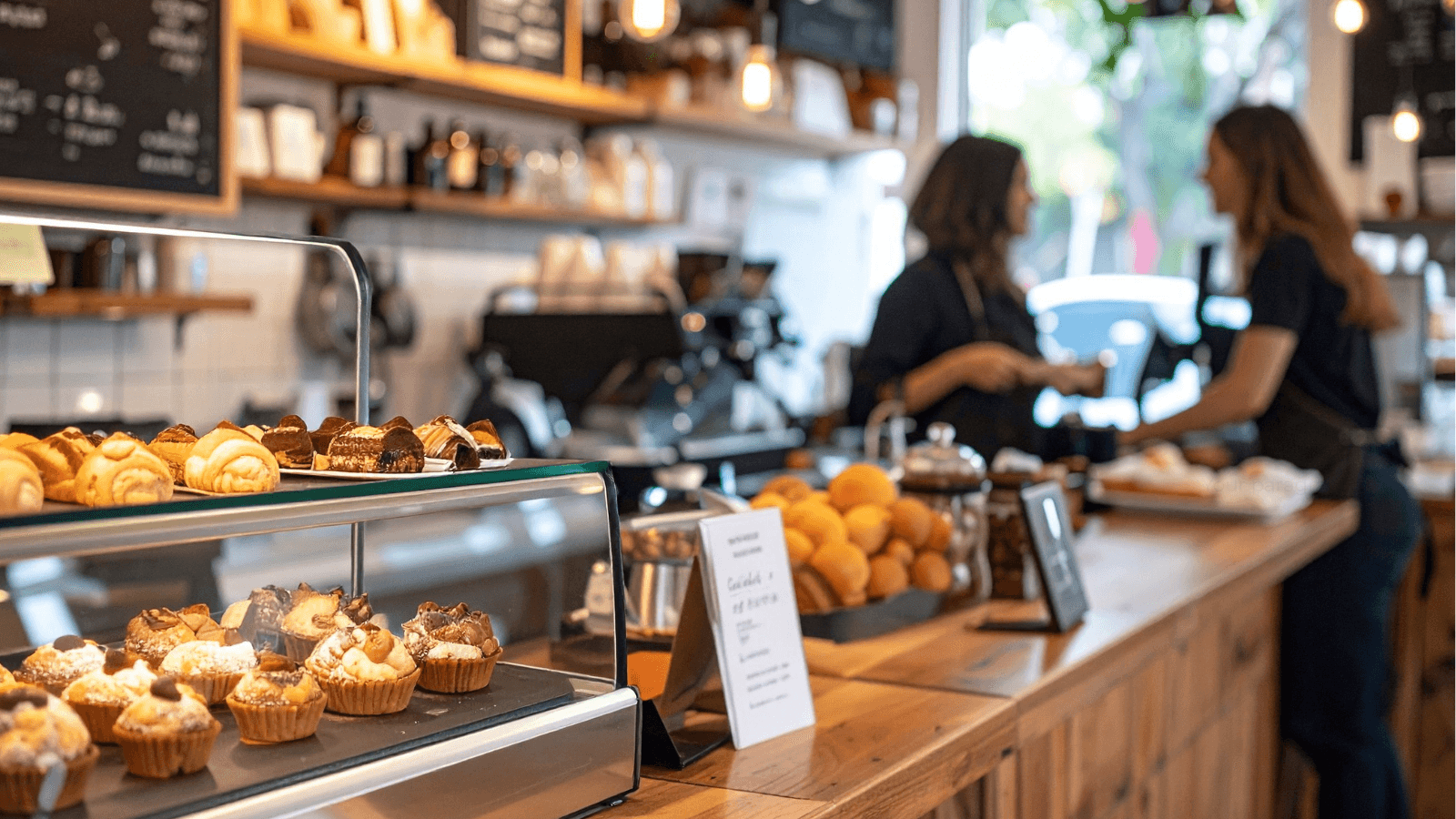
Across South Cambridgeshire, St Ives & Huntingdon, Wisbech and all points in between independent cafés perform an important role.
They’re not just food businesses.
They’re community spaces.
Spend ten minutes in a busy café and you’ll see a mix of people passing through:
Cyclists finishing morning rides. Freelancers working on laptops. Parents grabbing coffee after school drop-off.
One café owner told us something interesting recently.
A £3 coffee can become a tiny break in a busy day.
And that’s why well-run cafés often remain resilient even when budgets tighten. |
5 Cafés Worth Stopping At This Week |
Cambridgeshire has no shortage of independent cafés, but a few consistently stand out for good coffee, welcoming atmosphere and loyal local followings.
Here are five worth knowing about across the county this week. |
☕ Peacocks Tearoom
📍 Waterside, Ely — overlooking the River Great Ouse
A long-standing favourite tucked beside the river. Expect traditional homemade cakes, proper afternoon tea and one of the best café views in the county. On sunny days the outdoor tables fill quickly.
Best time to visit: mid-morning walk along the riverside. ☕ Novi
📍 Regent Street, Cambridge city centre
A modern café-bar known for strong coffee, brunch plates and plenty of space for remote workers during the day. Popular with freelancers and students looking for a comfortable place to settle with a laptop.
Best time to visit: weekday mornings before the lunch rush. ☕ The River Café
📍 The River Terrace, St Ives
A bright independent café known for great coffee and seasonal brunch menus. It’s become a regular meeting point for locals both summer and winter.
Best time to visit: late morning after a walk through town. ☕ Bohemia Cafe
📍 St Neots Cross Keys Mews
Serving the finest fresh ground coffee, roasted in their own micro roastery, alongside top quality breakfast, brunch & lunch dishes all in a comfortable, stylish environment.
Best time to visit: market mornings. ☕ Argo Lounge
📍 Bridge Street, Peterborough city centre
Part of the Lounge café group but still a lively social hub. Coffee by day, brunch through lunchtime and a relaxed atmosphere overlooking the cathedral square.
Best time to visit: late morning when the square is busiest. |
 |
Why More Families Are Setting Up a Lasting Power of Attorney |
There’s a conversation more families across Cambridgeshire are starting to have and most admit they wish they’d had it earlier.
It’s about what happens if someone can’t make decisions for themselves.
As diagnoses of conditions like
And despite the formal name, it’s surprisingly simple.
What a Lasting Power of Attorney Actually Is
A Lasting Power of Attorney allows you to legally appoint someone you trust to make decisions on your behalf if you lose the ability to do so yourself.
There are two main types:
1️⃣ Property & Financial Affairs This allows someone to help manage things like: • bank accounts
2️⃣ Health & Welfare This covers decisions about: • medical treatment
You choose the person often a partner, adult child or trusted relative.
And importantly, it’s only used if it becomes necessary.
Why Families Are Talking About It Earlier
Many people assume powers of attorney are something to think about later in life.
But legal professionals say waiting too long can create serious complications.
If someone loses mental capacity without an LPA in place, families may have to apply through the courts to manage their affairs a process that can take months.
That’s why many families now set one up while everyone is healthy and able to make clear decisions.
Government guidance on creating one is available through the
You can apply online or through a solicitor.
Why It’s Becoming a Kitchen Table Conversation
Across the county, more families say they’re bringing the topic up casually rather than waiting for a crisis.
A resident near Chatteris told us her parents arranged powers of attorney during lockdown.
It’s not about expecting the worst.
It’s about making sure that if life changes suddenly, the right people are able to help. Quick Reader Question
Have you arranged a Lasting Power of Attorney yet?
• Yes |
 |
The Great Cambridgeshire GP Appointment Olympics |
Trying to get a GP appointment sometimes feels like an Olympic sport. Or possibly Formula One.
At precisely 8:00am, hundreds of people across the county simultaneously reach for their phones.
And then the race begins.
The 8am Grand Prix
You dial.
You hear the recorded message.
You wait.
You move from position 19 in the queue to position 14.
Then suddenly position 7.
Then position 3.
Hope rises.
And finally…
“Sorry, all appointments have now been allocated.”
Race over.
Try again tomorrow. When Was the Last Time You Actually Saw a Doctor?
Several residents joked this week that they’re not entirely sure what their GP looks like anymore.
One parent from Sawtry laughed that most family illnesses now involve “a phone call, a photo and a bit of guesswork.”
Another resident in Ramsey said their neighbour recently received a surprisingly confident diagnosis over the phone.
The Weekend Rule Nobody Agreed To
Another curious law of modern life appears to have emerged.
You are not allowed to get sick at the weekend.
Because if you do, you face the mysterious territory known as Monday Morning Phone Lines.
This is when half the county calls their GP at exactly the same time.
And the queue numbers resemble lottery results. The Serious Bit (Briefly)
Behind the humour there is a real issue.
Demand for GP appointments across England has risen significantly over the past decade, according to figures published by
Many surgeries are dealing with larger patient lists while trying to recruit more doctors.
Which means the 8am race may remain part of daily life for a while.
But in the meantime, at least everyone across Cambridgeshire is competing in the same event. |
 |
Are You Actually Fit Enough To Join a Gym? |
Early March is when many people quietly decide it’s time to get moving again.
Lighter evenings arrive.
But there’s an interesting question many people don’t ask first.
Are you actually ready for it?
Because for people who haven’t exercised in years, walking into a gym and jumping straight on to intense workouts can sometimes do more harm than good. The “Too Much Too Soon” Problem
Gym owners across Cambridgeshire say they often see the same pattern.
Someone arrives full of motivation.
They try three or four intense workouts in the first week.
And by week two they’re injured, exhausted — or both.
A gym owner in St Neots told us enthusiasm is great, but pacing matters.
Instead, most gyms encourage beginners to start with something much simpler.
Walking.
Consistency usually matters more than intensity. The Quiet Fitness Test
Before joining a gym, some trainers suggest asking yourself a few simple questions.
Can you comfortably:
• walk briskly for 20 minutes
If those feel difficult, starting with gentle movement at home or outdoors may be a better first step.
Local walking routes along the Great Ouse or village footpaths can often be a perfect starting point. The Biggest Barrier Isn’t Fitness
Interestingly, many gym owners say the biggest barrier isn’t physical ability at all.
It’s confidence.
New members often worry they’ll feel out of place or judged.
In reality, most gyms say beginners now make up a large share of their membership.
And many offer induction sessions specifically designed to ease people into exercise safely. Why Spring Is Actually The Best Time
Fitness experts often say March and April are ideal months to begin exercising.
The weather improves.
Daylight increases.
And people tend to stick with habits that start before summer arrives.
Which means the best gym routine often begins with something much less dramatic than an intense workout.
Just turning up. |
Quick PollHave you ever joined a gym and stopped going within three months? • Yes — guilty |
 |
The Local Experts Helping Households Navigate Uncertain Times |
When economic conditions feel unpredictable, people often turn to trusted local professionals.
Across Cambridgeshire several roles quietly support everyday decisions.
A trusted local mortgage adviser helping buyers understand lending changes.
A well-known local accountant guiding small businesses and families through tax planning.
A reliable heating engineer keeping homes functioning when systems fail.
These professions rarely make headlines.
But in towns like Chatteris,March and Ramsey, they often form the practical support network residents rely on. |
 |
Local Pulse — What People Are Noticing This Week |
Ely Riverside Filling Earlier Than Usual
Take a walk past the Waterside cafés near Jubilee Gardens on a mild afternoon and you’ll see the shift.
Tables are filling earlier than they did even a few weeks ago as walkers, cyclists and day visitors return with the first stretch of warmer weather.
One regular dog walker put it simply:
Why it matters: Early spring footfall is usually the first sign the tourism season is waking up again.
Village Spring Markets Are Popping Up Again
Across smaller villages, parish halls are starting to host the first spring produce and craft markets of the year.
These tend to be modest — local honey, homemade cakes, plant stalls and craft tables — but organisers say attendance usually grows quickly once gardening season starts.
A volunteer helping organise one near Ramsey said turnout often doubles by late March.
Why it matters: These markets quietly support dozens of small local producers.
Restaurants Are Feeling the “Weekend Effect”
Hospitality businesses across several market towns are noticing the same pattern.
Friday and Saturday evenings remain strong.
Tuesday and Wednesday are noticeably quieter.
A restaurant owner near St Neots Market Square explained the shift.
Why it matters: When households tighten budgets slightly, midweek dining is usually the first thing to change. |
 |
The 30-Second Dog Training Habit That Makes Walks Easier |
If your dog turns every walk into a tug-of-war, you’re definitely not alone.
Across parks and footpaths around Cambridgeshire, it’s one of the most common frustrations dog owners mention especially once spring arrives and dogs get excited by more people, smells and other dogs.
According to local dog training specialist Raimonda, the biggest improvement many owners can make takes less than a minute.
It’s simply rewarding calm behaviour before your dog becomes overexcited.
For example:
• reward your dog when they walk beside you calmly
Those small moments add up quickly and often make walks far more enjoyable within a few weeks.
🦴 Want More Practical Dog Training Tips?
Raimonda shares step-by-step guides and short training videos inside the Smarter Paws Digital Dog Training Hub.
To get free access click the link above. |
 |
🐾 New: Local Pet Insider Cambridgeshire |
If you love local pet tips, dog-friendly places and training advice, you might also enjoy Local Pet Insider Cambridgeshire — a new community for pet owners across the city.
Expect:
• dog-friendly walks and cafés
|
 |
Mother’s Day Is Next Weekend — 10 Places Worth Booking Now |
Mother’s Day falls on Sunday 15 March, and across Cambridgeshire many restaurants, cafés and attractions are already filling up with bookings.
If you’re planning to take someone out, booking early usually makes the difference between a relaxed day and scrambling for a last-minute table.
Here are ten ideas across the county — from traditional lunches to afternoon teas and family experiences. 🌷 Afternoon Tea at The Ivy Cambridge Brasserie📍 Trinity Street, Cambridge
A stylish option right in the city centre. Their Mother’s Day afternoon tea usually includes finger sandwiches, cakes and sparkling options. Ideal for: a polished city treat.
🌷 Mother’s Day Lunch at The Farmers -Yaxley📍 Broadway, Yaxley A popular village pub just south of Peterborough known for large Sunday roast menus and family-friendly atmosphere. Ideal for: relaxed family lunch. 🌷 Riverside Dining at The Boathouse📍 Chesterton Road, beside the River Cam A bright modern restaurant overlooking the river — often running special menus for occasions like Mother’s Day. Ideal for: waterside views. 🌷 Garden Walks & Lunch at Anglesey Abbey📍 Lode, near Cambridge Spring is when the gardens start waking up again. The café and restaurant usually run Mother’s Day specials alongside garden visits. Ideal for: combining a walk with lunch.
🌷 Afternoon Tea at Poets House📍 St Mary’s Street, Ely A boutique hotel near the cathedral offering elegant afternoon tea experiences — often a popular Mother’s Day choice. Ideal for: something a little special.
🌷 Mother’s Day Lunch at The Lamb Hotel 📍 Lynn Road, Ely — opposite Ely Cathedral A historic coaching inn right beside the cathedral that regularly runs special Sunday lunches and Mother’s Day menus. The courtyard restaurant makes it a popular spot for family gatherings. Ideal for: a central Ely celebration with cathedral views
🌷 Steam Train Day Out at Nene Valley Railway📍 Wansford station Heritage steam trains often run Mother’s Day specials or afternoon tea trains, making it a memorable family outing. Ideal for: something different.
🌷 Country Pub Lunch at The Plough📍 Coton village, just west of Cambridge A popular countryside pub on the edge of the Cambridge green belt known for high-quality Sunday roasts and seasonal menus.
It’s a frequent choice for family gatherings and weekend lunches. Ideal for: a relaxed countryside meal just outside the city.
🌷 Afternoon Tea at Orton Hall Hotel📍 Orton Longueville A historic country house hotel offering Mother’s Day teas and lunch menus in elegant surroundings. Ideal for: relaxed hotel dining.
🌷 Sunday Lunch at The Golden Lion📍 Market Hill, St Ives A lively town centre pub popular for roasts and family gatherings. Ideal for: central market-town atmosphere.
|
Outro |
If this week’s issue had a theme, it’s probably the little signals people are noticing locally.
Fuel prices people are watching a little more closely.
Families quietly reworking household budgets.
Businesses adjusting how they trade midweek.
And, of course, the annual moment when half the county suddenly realises Mother’s Day is next weekend.
If you’re planning something, hopefully the ideas above have helped and if you haven’t booked yet, now might be the moment. Coming Next Week
Next week we’re introducing something new we’re excited about. Taste Trail Cambridge.
A curated guide to independent places worth visiting across Cambridge and the surrounding villages the cafés, bakeries, restaurants and pubs locals genuinely recommend.
Think of it as a local food map built by the community.
It follows the success of Taste Trail Peterborough, which focuses on Peterborough and nearby towns and villages within easy reach of the city.
Because when it comes to discovering great places to eat, most people explore within a sensible drive — not across the entire county.
So the idea is simple.
Two food trails.
Two local food cultures.
And plenty of places worth discovering.
Until next week enjoy the lighter evenings, good coffee, and hopefully a well-earned Sunday lunch.
And if you do end up somewhere great for Mother’s Day, tell us about it. We’re always looking for the next stop on the trail. |
Quiz Answer |
A — Ely hosts the annual Eel Festival. |
Cambridgeshire Spotlight is a free, independent newsletter bringing clarity, context and practical stories from across the county, property, money, local business, families, homes and everyday life.
We work with a small number of trusted local partners each month whose expertise genuinely helps our readers live, work and move more confidently from mortgage specialists and financial advisers to home services, health, family and community experts.
To talk partnerships or share a story:
Now Published every week — designed for people who live and think locally. |