
Graham Waite
Jan 22, 2026
Trivia Question❓Which famous author wrote the novel "Ender's Game" while living in Cambridgeshire, UK? Answer at the bottom of the newsletter |

This Week Across Cambridgeshire Is About Practical Wins and Everyday Life |
This week isn’t about big headlines it’s about what people are actually dealing with right now.
There’s pressure on household costs, decision fatigue around housing and appointments, and plenty of everyday routines that don’t make national news but absolutely shape life locally.
But this isn’t a doom scroll. It’s a useful issue with practical help, local interest, and lighter moments that keep things human.
Inside this edition:
• What’s bumping budgets the small costs quietly adding up, and how people are trimming them without losing quality of life
• Workarounds that work how locals are navigating delays, queues and admin without losing their minds
• Light, familiar fun pets, small routines and simple pleasures that still matter
• What’s happening locally — transport, jobs, developments and everyday wins from around the county
• Community moments — the sort of stories you recognise because they are real life
Every section here is designed to do one thing: make this week a little easier, smarter or more enjoyable.
No filler. No gloom.
Just a solid read that earns your time. |
 |
Five Small Moves That Are Saving Money Right Now |
You don’t need a big reset to feel relief.
You need the right small moves made early.
These are the ones people across the county say are actually working.
1. Renegotiate before you’re asked Bills, rent renewals, service contracts leverage exists before the reminder lands.
Helen in Ely told us she contacted three providers six weeks early and cut her monthly costs by just over £30 without switching anything.
“Once the renewal letter arrives, the tone changes,” she said.
2. Lock certainty, not perfection
Chasing the “best possible deal” is costing more than it saves. Mark in St Neots fixed his payments slightly higher than the lowest option available.
“I stopped checking every week. That alone was worth it.”
3. Fix the thing that will fail next
Boilers, cars, roofs, appliances preventative work is still cheaper than emergency call-outs.
Julie in Wisbech booked a routine check after putting it off for months.
“It wasn’t cheap, but it wasn’t a crisis either. That’s the win.”
4. Cut friction, not comfort
Unused subscriptions, standing charges, services no one remembers signing up to these are going first.
What people are not cutting?
The things that actually make life calmer.
Tom in Huntingdon put it simply:
“I cut three things I didn’t notice. I kept the one thing that keeps me sane.”
5. Ask once, properly in writing is usually more effective.
Fees, admin delays, penalties, delivery times one calm, informed ask is outperforming endless chasing.
Sarah near Newmarket said one clear email got a faster response than weeks of phone calls.
“I wish I’d done it sooner.”
None of this is dramatic. All of it works.
Worth thinking about: which one of these would make the biggest difference in your household this month?
Because this is where good local advice, reliable trades and trusted specialists quietly earn their keep — helping people make the right small moves at the right time. |
 |
The Council Shake-Up Explained (And Why It’s Been Slowed Down) |
Local government here is heading for its biggest overhaul in decades but it’s now moving more slowly than first planned.
At the centre of it all is a proposal backed by central government:
Right now, responsibilities are split.
The proposed change would mean fewer councils, each responsible for the full range of services:
That’s the theory.
In practice, it’s messy.
Several different models have been put forward, including:
No final decision has been made and that uncertainty is one reason progress has slowed.
Supporters argue the case is simple:
As Alan in St Ives put it:
Critics aren’t convinced.
They worry about:
Janet who lives near March summed it up this way:
There’s also a live debate about timing.
Some councillors argue it makes little sense to hold elections for councils that may soon disappear.
Others say delaying elections risks weakening local democracy just when trust is already stretched.
For now, nothing changes day-to-day.
But the decisions being argued over now will shape how local services are delivered and who controls them for years.
That’s why this pause matters.
It’s either a moment to get reform right…
Have Your Say: Do you want fewer councils if it means less local control or does keeping things closer to home matter more? |
 |
The Pet Costs You’re Cutting (And the Ones You Won’t) |
If you’ve tightened spending anywhere recently, you’ve probably noticed there’s one area you’re careful with your pet.
You might switch brands, bulk-buy food, or skip the fancy extras.
Those stay locked in.
If you’ve got a dog or cat, this will sound familiar:
• You’ll delay treats before you delay check-ups
If you’ve ever paid for an emergency visit, you know why.
Preventative care still costs but it costs less than fixing something that’s been ignored.
That’s why, even when money feels tighter, this is one area you’re unlikely to gamble on.
You’re not being sentimental.
And it explains why services that prevent problems vets, groomers, trainers, walkers remain steady while impulse pet spending drops away.
You’re making smarter choices, not fewer ones.
Worth a quick check: if you had to cut one pet cost tomorrow, what would it be and what would you protect at all costs? |
 |
Five Small Local Irritations You’ve Probably Dealt With This Week |
Not big enough for a headline.
If this week felt oddly draining, it’s usually down to one (or more) of these:
2. Roadworks with no visible workers
3. Deliveries that require you to be home all day
4. Forms that ask for information you’ve already given
5. “Minor” charges that suddenly aren’t
None of these are dramatic.
That’s why the most valuable local services right now are the ones that remove friction faster responses, clearer communication, fewer hoops.
Sometimes making life better isn’t about fixing everything.
Which one of these tested your patience most this week? |
 |
The Digital ID U-Turn: Why It Spooked So Many People |
If you felt uneasy about the idea of a compulsory digital ID, you weren’t alone.
This week, the Labour Government quietly stepped back from plans that would have required a national digital ID to prove your right to work a move that’s already being described as a clear U-turn.
The original proposal was simple on paper: one digital identity, used across systems, to make checks quicker and reduce fraud.
But once it moved from theory to reality, concerns piled up fast.
For many, it wasn’t about technology.
You could see the fault lines straight away.
Some people welcomed the idea of fewer forms, faster checks and less admin.
Others worried about data security, mission creep, and what happens when one system holds too much personal information.
And then there was trust.
If you’ve ever struggled to correct an error on an official record, you’ll understand the anxiety.
One wrong detail in a digital system can lock you out of work, services or support and fixing it isn’t always quick or simple.
That’s why the pause matters.
For now, nothing changes. You can still use the same documents you used last week. No new digital card. No compulsory app. No sudden switch.
But the bigger debate isn’t going away.
Do we want identity systems that prioritise convenience or ones that prioritise caution?
This week’s reversal doesn’t answer those questions. It just shows how sensitive they are.
And if this proposal returns as many expect it will the next version will face even tougher scrutiny from a public that’s already paying close attention.
Where do you personally draw the line on data and convenience? |
 |
Seven Cyber Security Habits That Stop Most Problems |
You don’t need to be “bad with tech” to get caught out online.
These seven habits won’t make you an expert but they will stop most of the nonsense.
2. Use two-step verification on important accounts
3. Be wary of messages that rush you
4. Check who actually sent the message
5. Keep your phone and laptop updated
6. Think before you share details online
7. Back up the things you’d hate to lose
This isn’t about being paranoid.
A few basic habits save a lot of stress later.
Which one of these do you still need to fix? |
 |
GP Appointments: What’s Actually Changing Locally |
If you’ve tried to book a GP appointment recently, you already know the drill.
Here’s what’s actually happening right now and what’s worth knowing.
Same-day triage is now the default
It’s frustrating but it’s now standard.
Online requests matter more than phone calls
Pharmacists are being used more
Routine appointments are being pushed out
Not all practices work the same way
If you haven’t checked how your surgery works recently, you may be missing easier routes.
The system isn’t simple but it’s predictable once you understand the rules it’s using.
Knowing how to enter it properly saves time, stress, and repeat calls.
Phone, online, or pharmacy — what’s actually worked for you? |
 |
Why Getting Into (And Out of) Cambridge Is Taking So Long |
If getting into or out of Cambridge has started to feel like a gamble, you’re not imagining it and two issues keep coming up again and again.
The guided busway delays
Ongoing disruptions, reduced reliability and knock-on delays mean what used to be predictable now isn’t.
Miss one service and the wait for the next can derail the whole morning especially if you’re commuting, juggling school runs or trying to get to an appointment.
The Hills Road mess
If you pass through that stretch regularly, you’ll know how quickly a short journey can turn into a long one often with no obvious alternative.
Put the two together and the result is obvious:
You’re leaving earlier.
The takeaway isn’t panic — it’s adjustment.
So how much extra time are you now building into trips into Cambridge? |
 |
The Small Things That Might Make This Week Easier |
Not everything this week need to be a grind.
A few small things can make daily life feel lighter and they’re worth noticing.
• That one journey where traffic actually flowed
None of these change the big picture.
If you’ve had even one of these moments recently, you’ll know how much they matter.
Sometimes progress isn’t massive. But it can be a massive relief when it ends up better than your expectations. |
 |
Schools Are Properly Back Now (And You Can Feel It) |
If you’ve got kids in school, this week probably felt like the real restart. Not the gentle return after new year this is the full one.
Traffic around drop-off times snapped back.
If you’re anywhere near Impington Village College or Chesterton Community College in the mornings, you’ll have noticed it straight away.
Same story around Sawston Village College, St Ivo Academy, and schools feeding into them the rhythm is back, whether you were ready or not.
Parents of younger children are feeling it first.
For families with teens, it’s a different pressure.
And then there’s the knock-on effect that no one really warns you about:
If you’ve found yourself re-jigging lifts, changing work hours or negotiating favours already, that’s not disorganisation that’s normal for this point in the term.
This is the stretch where routines get tested.
Most families end up saying the same thing by the end of the week:
|
 |
Sally’s Savers: 9 Small Money Moves That Still Work |
Sally’s advice this week is simple: don’t wait for a big reset.
Here are nine practical money moves worth checking right now.
2. Be prepared to cancel, not just complain
3. Bulk-buy only what you already use
4. Downgrade before cancelling
5. Review direct debits every few months
6. Fix small problems early
7. Move savings out of easy reach
8. Pay annually only when the saving is real
9. Lock in “good enough” instead of chasing perfect
None of this is complicated.
Small changes still add up.
|
 |
Three Things Worth Knowing This Week |
1) Council tax letters are landing
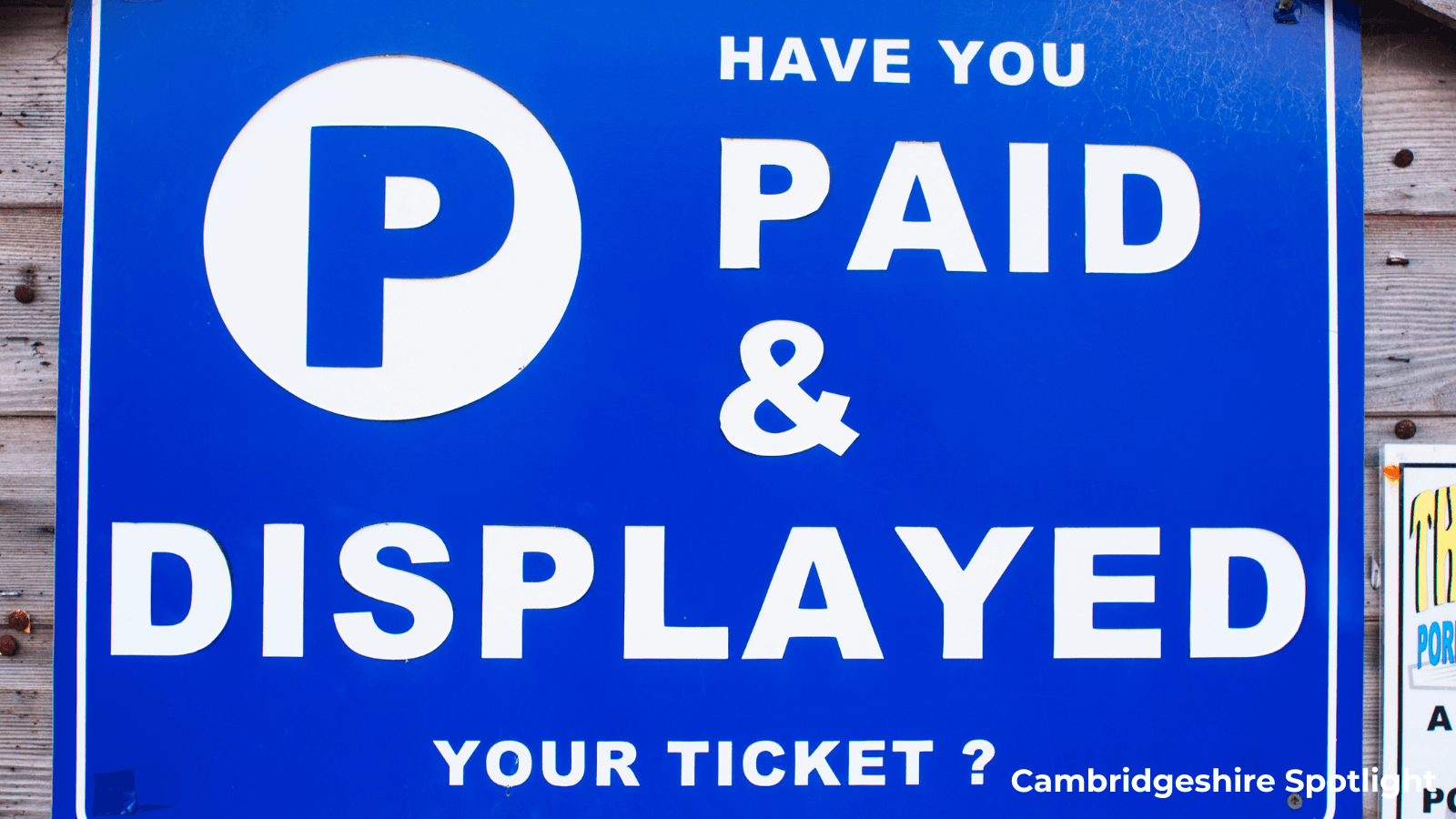
2) Parking enforcement is back to full strength
If you’ve been pushing your luck, now’s the moment to stop.
3) Trades are booking up fast again
These are the background things that end up costing time or money if you miss them.
Worth a quick check? |
 |
The Jobs People Are Booking Now (Before They Get More Expensive) |
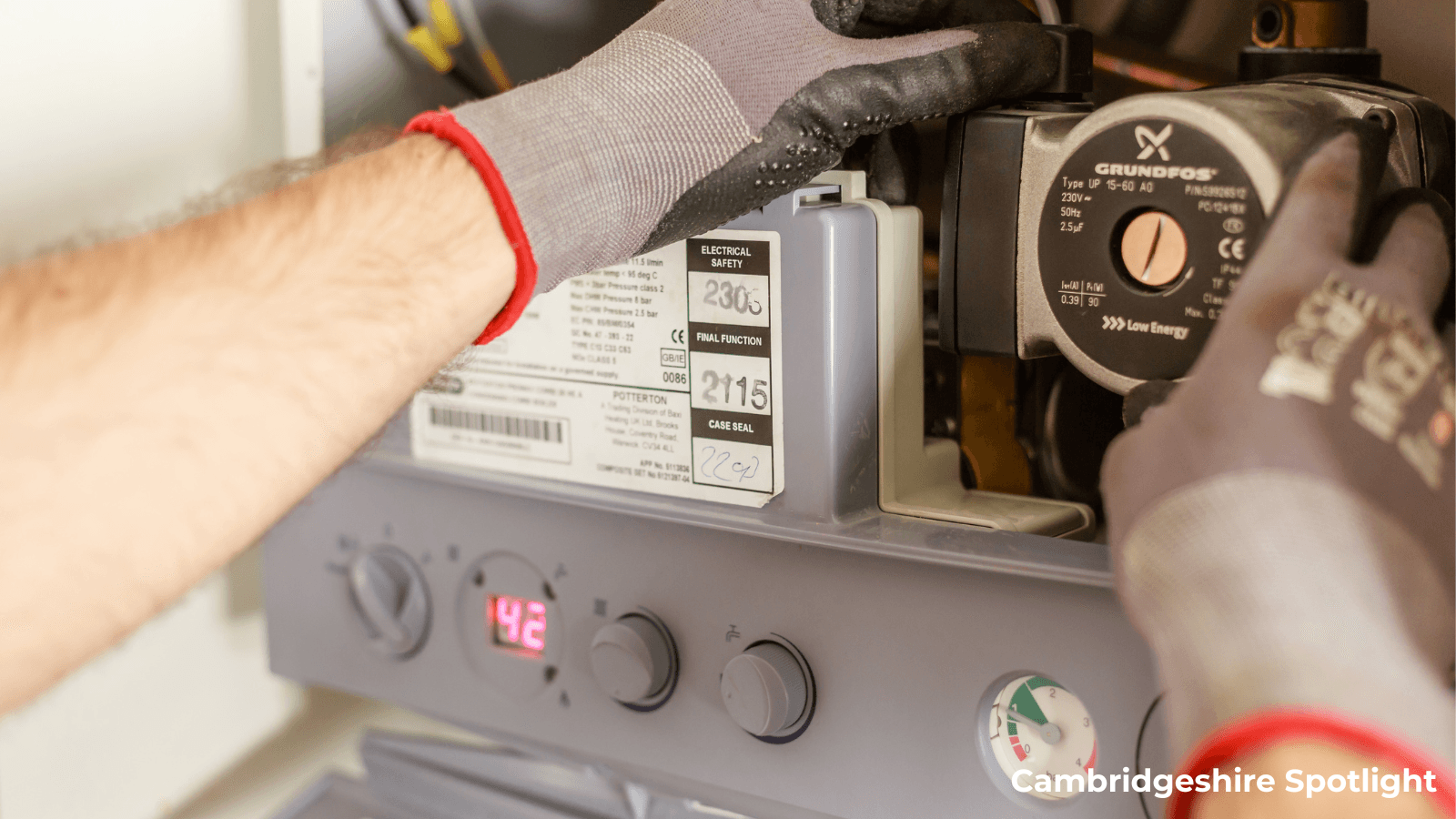
If you’ve got something in the house that “needs doing soon”, this is usually the moment it jumps the queue.
As routines settle back in, a familiar pattern kicks off:
• heating systems being checked before problems show up
You’ll recognise the thinking:let’s sort it before it becomes urgent.
The difference this year is availability.
Once diaries fill, prices harden and waiting times stretch.
The people getting work done now aren’t rushing they’re just early.
If you’ve been putting off a job because it wasn’t quite bad enough yet, this is usually the window where it still costs less, causes less disruption, and gives you options.
After that, you’re reacting instead of choosing.
Worth a quick scan: what’s the one thing in your home that would cost more if it failed suddenly?
That’s usually the one to deal with first. |
 |
The Market Town Reality Check: What Your Home Is Worth (and How to Sell It Without Getting Mugged) |
If you’re selling this spring, here’s the blunt truth: buyers are picky, lenders are fussy, and anything even slightly overpriced sits there like a sad sofa on Facebook Marketplace.
So I pulled the latest sold-price reality for a few proper “normal” places across the county not just the obvious hotspots and turned it into a practical playbook you can actually use.
The 6-place price snapshot (sold-price reality, not wishful thinking)
Great Shelford (South Cambs)
Ely (East Cambs)
Whittlesey (Fenland)
Chatteris (Fenland)
March (Fenland)
(Bonus reality check) If your plan is “test the market”
What sellers should do now (so you don’t waste 8–12 weeks)
One thing that keeps coming up in successful sales is support. Homes that are priced realistically, prepared properly, and backed by advisers who actually return calls are still moving.
The ones relying on optimism or cutting corners on advice are the ones sticking.
1) Price for the first buyer, not the last buyer.
2) Fix the three things buyers punish instantly:
3) Make your paperwork attack-ready.
4) Don’t get clever with viewings.
“Real people” reactions (the ones you hear in normal conversations)
In this market, the basics matter more than ever: realistic pricing, clean paperwork, and people around you who know how today’s buyers and lenders behave.
That combo doesn’t just help you sell it stops sales falling apart at the finish line. |
 |
Five Energy Habits That Actually Lower Bills |
If you’re trying to keep energy bills from creeping up again, this is the boring stuff that genuinely helps.
Nothing clever. Just habits that stick.
2. Wash clothes at 30°C
3. Don’t heat rooms you don’t use
4. Bleed radiators once a year
5. Use lids when cooking
If you’re already doing two or three of these, you’re ahead of most households.
What’s the energy habit you keep forgetting? |
 |
Food Quick Wins: Five Ways to Make Meals Easier This Week |
This one’s for busy evenings, tired brains, and cupboards that don’t feel inspiring.
Nothing fancy. Just small switches that save time, money, or both.
2. Cook once, eat twice
3. Use the freezer properly
4. Keep one “can’t-be-bothered” meal stocked
5. Don’t overthink lunches
If dinner has felt like a daily negotiation lately, this usually takes the edge off.
Which food do you always buy and never use? |
 |
Recycling: What Actually Goes in Which Bin |
Recycling shouldn’t feel like a quiz show, but here we are.
If you’ve ever stood in the kitchen holding an item and arguing with yourself, this is for you.
Cardboard
If it’s food-stained, it’s out.
Plastic
If it scrunches easily, it usually doesn’t belong.
Glass
Different melting points = different bin.
Food waste
“Compostable” doesn’t always mean council-friendly.
General waste
Getting it right isn’t about perfection.
QUICK QUESTION: What bin do you second-guess the most? |
 |
Pet Insurance: The Bits That Catch People Out |
Pet insurance sounds simple until you need it.
These are the details that tend to surprise people after they’ve signed up.
Excess isn’t always once
Routine care usually isn’t covered
Age limits matter
Pre-existing conditions really mean it
Lifetime cover is different
Insurance works best when you understand it before you need it. Would you rather pay more monthly or risk a big bill later? |
 |
Peterborough New Homes: What’s Actually Selling Right Now |
If you’re looking at new builds around Peterborough, the market is clearer than the headlines suggest but only if you’re realistic.
New homes are selling.
Here’s what’s happening on the ground.
What buyers are actually paying
Across current developments in and around the city, recent deals are clustering in these bands:
Homes listed above these ranges are still shifting but usually with incentives, not headline price cuts.
What’s moving fastest
The strongest demand is for:
First-time buyers are active again helped by deposit contributions and mortgage support packages but they’re cautious.
Viewings don’t automatically turn into offers unless the numbers feel right.
What’s sticking
Buyers are comparing hard against resale homes nearby and they’re not afraid to walk away.
Incentives matter more than discounts
Instead of cutting prices, developers are leaning on:
For buyers, this can be worth more than a small headline reduction — especially when borrowing limits are tight.
What this means if you’re selling nearby
If you’re selling a resale home close to a new development, you’re competing whether you like it or not.
Buyers will compare:
That doesn’t mean you can’t compete but presentation, pricing and paperwork need to be tight.
What usually helps
Right now, that knowledge gap is often the difference between a sale and a stall.
Couple of quick questions ...
Want the latest information with tips. ideas and advice sign up for the |
 |
Cambridge Resale Homes: Where the Market Is Still Holding |
While new builds around the county are leaning on incentives, Cambridge’s resale market is playing a different game.
Homes are still selling but only when they hit the right combination of location, condition and price.
Here’s what’s actually moving.
What buyers are paying now
Recent sales and agreed prices are clustering roughly here:
Anything pushing above these ranges needs something extra space, parking, school catchment, or genuine turnkey condition.
What’s selling fastest
Buyers here are still motivated but they’re analytical. They’ll walk away if something doesn’t stack up.
What’s struggling
Cambridge buyers are experienced. They’ve seen a lot. Overpricing is spotted quickly.
Why resales still compete well
Against new builds, resales often win on:
But only if the home feels looked after.
What usually makes the difference
In this market, confidence comes from clarity not optimism.
To get the very latest information on Home Selling in Cambridge sign up for our free newsletter Home Seller Insider - Cambridge Edition |
 |
How to Stage Your Home So Buyers Don’t Talk You Down |
You don’t need to turn your house into a show home.
These are the staging fixes that still work especially when buyers are cautious.
2. Light beats luxury every time
3. Fix the small things buyers obsess over
4. Kitchens and bathrooms need to look clean, not new
5. Clear surfaces, not personality
6. Gardens matter more than you think
7. Smell is underrated
Staging isn’t about impressing buyers.
What usually helps
|
 |
Playing Through Niggles: Why Small Injuries Don’t Heal Themselves |
If you play sport, run regularly, or train a few times a week, you’ll know the feeling:
That’s the danger zone.
Tight calves, sore knees, stiff backs and lingering ankle issues don’t usually disappear on their own.
They settle in, change how you move, and then flare up when you least expect it.
The people who get back quickest tend to do three things:
Ignoring minor injuries often leads to longer time out and more frustration.
Staying active is about longevity, not heroics. |
 |
When Running Stops Working: Why More People Switch Indoors |
Running is brilliant — until it isn’t.
Dark evenings, cold air, hard ground and busy schedules make it harder to stick to. That’s why a lot of people move indoors at this time of year not to train harder, but to stay consistent.
Gyms and classes solve problems running can’t:
It’s not a failure to stop running for a while.
Many people switch back outside later stronger and more balanced than before. |
 |
Gym Basics That Actually Help (If You’re Not a Gym Person) |
If gyms aren’t really your thing, the key is keeping it simple.
You don’t need complicated routines or intimidating equipment. The basics do most of the work.
What people actually use:
Short sessions beat long ones.
If you leave feeling better than when you arrived, you’ve done it right. |
 |
Why Local Sport Still Runs on Local Support |
Grassroots sport doesn’t survive on enthusiasm alone.
School teams, junior clubs and community leagues rely on:
Kits, equipment, transport and pitch time all cost money.
When local businesses step in, sport stays affordable and accessible especially for younger players.
If you’ve ever watched from the sidelines on a cold morning, you’ll know how much effort goes into keeping things going.
Local sport isn’t just about results.
Quick Question: If you have family members involved in sport at any level would you like to sponsor a team , provide equipment or give up your time? |
 |
Before You Take the Dog Out: A 10-Point Walk Check That Actually Matters |
Most dog walks are routine — which is exactly why small things get missed.
This quick check isn’t about being fussy. It’s about avoiding the stuff that turns a normal walk into a stressful one.
2. Lead condition
3. ID tag still readable
4. Phone charged (at least a bit)
5. Paws checked especially in winter
6. Treats for recall, not bribery
7. Bags (more than one)
8. Weather reality check
9. Route awareness
10. Time buffer
Most dog-walk problems aren’t bad luck.
A minute before you leave usually saves hassle on the way back.
Lead, paws or ID — what do you forget to check most often? |
 |
WHAT’S ON (Family-friendly, across the county) |
If you’re trying to get everyone out of the house without spending a fortune or driving miles, here are a few easy wins across the county a mix of museums, markets and “low-effort, high-reward” days out.
Cambridge (easy culture + low-pressure fun)
Ely (simple, outdoors + a good wander)
Huntingdonshire / South Cambs (markets + small adventures)
Fenland (treasure-hunt vibes without the price tag)
The “we just need fresh air” option
|
 |
BUSINESS ROUND-UP (Actually local, actually current) |
This week’s theme: rules, growth money, and the stuff that affects small businesses more than anyone else.
1) Business rates are changing in April
That matters most for retail, hospitality and leisure spaces the places that make town centres feel alive.
If you run (or rent) a unit, this isn’t one to ignore.
2) Fenland is consulting on its Business Plan and Budget
Whether you love councils or can’t stand them, local spending priorities shape everything from town-centre work to services and licensing.
3) Peterborough’s bus depot plans have moved forward
If you care about commuting, access to jobs, or how people actually get into town, this is a real-world business issue, not just transport talk.
4) A Peterborough retail expansion has been approved
5) A genuinely small-business story: “Cambridge” name trademark row
Beyond the drama, it’s a useful reminder for small businesses: naming and branding can get complicated fast when big institutions are involved.
6) Local start-up support is opening applications again
If you know a founder who’s capable but stuck, this is the kind of structured help that can actually change their year. |
Thats A Wrap For This Week |
That’s it for this week.
If you’re feeling like everything is “back on” at once — schools, commuting, deadlines, admin you’re not behind. This is just the part of the year where life stops being theoretical and starts demanding receipts.
Next issue, we’ll keep doing what this newsletter does best: cut through the noise, flag what matters locally, and give you things you can actually use.
Before you go, two quick ones:
See you next week.
The Spotlight Team |
💡 Answer to Trivia Question: Orson Scott Card |