Main Article Headline |
Your wages arrived, the bank balance briefly looked respectable and then the mortgage, energy bill, council tax and everything else took their turn |
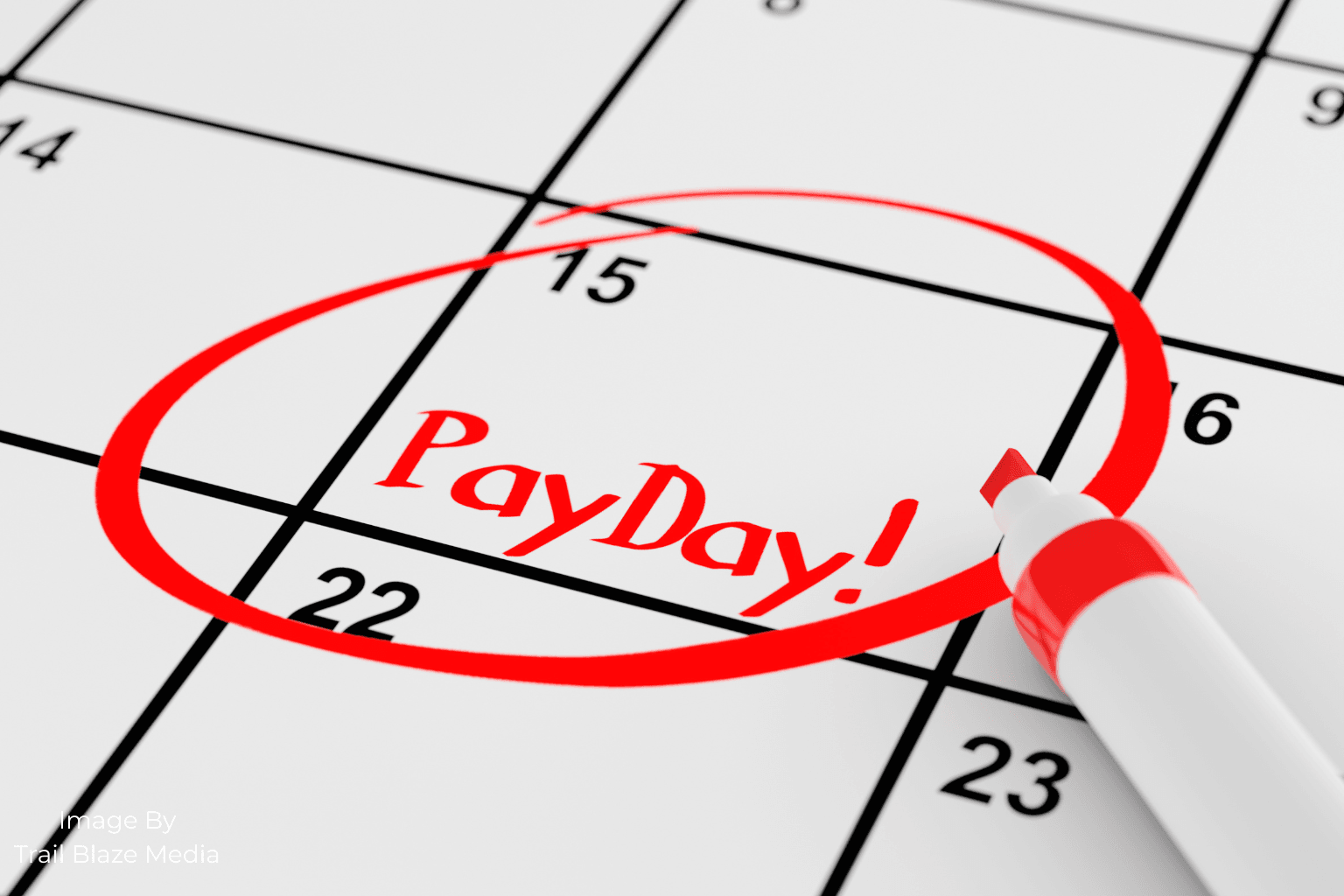
There is a particularly irritating kind of payday.
For perhaps a few hours, everything looks fine.
Your salary lands. The minus sign disappears. You may even have actual money in your account.
Then life starts collecting it.
Mortgage or rent. Council tax. Energy. Phone. Insurance. Car payment. Childcare.
A supermarket shop that somehow costs more than you remember putting in the trolley.
You check the banking app again.
£47.82.
And there are 26 days until payday.
By Tuesday, you're back in the overdraft.
That's when an overdraft stops feeling like something you occasionally use and starts feeling suspiciously like part of your salary.
The important question isn't how far overdrawn you areSomeone who goes £300 overdrawn because the car needed an unexpected repair and clears it on payday is in a very different position from someone who starts every month £300 down.
It's the pattern that matters.
MoneyHelper describes an overdraft as borrowing rather than additional income and says it is generally intended for emergencies or short-term borrowing. Overdrafts Explained
The FCA takes repeat use seriously too.
Its rules require banks to monitor patterns including increasing numbers of days in an overdraft, increasing amounts borrowed and changes in income or spending that could indicate financial difficulty.
In ordinary language:
Is the overdraft rescuing you from an occasional bad month or is it now required to make an ordinary month work?
That's a much more revealing question.
Look at what happened after your last three paydaysYou don't need a colour-coded spreadsheet.
Open your banking app and look backwards.
Did payday get you properly back into credit?
How long did you stay there?
A fortnight?
Five days?
Until lunchtime?
If you're slipping back into the overdraft earlier each month, the amount is growing, or ordinary expenses such as food and energy are pushing you into it, that's worth noticing now rather than when you finally hit the limit.
And overdrafts aren't necessarily cheap borrowing.
MoneyHelper currently says bank and building-society overdraft interest rates range from 19% to 40% or more, although what you actually pay depends on your account.
Don't make the bank balance prettier by moving the problemThere's an obvious temptation.
Credit card clears overdraft. Loan clears credit card. New bit of borrowing makes the current account look wonderfully healthy again.
Problem solved.
Except potentially it isn't. The debt has simply moved.
Before replacing one form of borrowing with another, compare the total cost and whether you can actually afford the repayments.
And if the numbers genuinely don't work, talking to your bank early is better than waiting for everything to bounce.
FCA rules require firms to take steps when repeat overdraft use indicates actual or potential financial difficulty, including discussing appropriate support.
There is free help in Cambridgeshire
This isn't something you need to be catastrophically in debt to ask about.
Cambridgeshire County Council's money advice page brings together free help with budgeting, benefits and debt, including Citizens Advice, MoneyHelper, National Debtline, StepChange and other support.
The important bit is doing it before another payday simply resets the same cycle.
Because if your salary arrives on Friday and you're already waiting for next month's salary by Tuesday, the overdraft probably isn't the real problem anymore.
It's the warning light.
Does Payday Disappear In Your House?
We're interested in the everyday money pressures people across Cambridgeshire are actually noticing.
What's the bill or everyday expense that seems to have grown most in your household food, energy, housing, childcare, the car, or something else entirely?
Tell us in the comments. The answers could shape where we look to help with money saving next. |
0 Comments
Join the conversation
Be the first to comment
Share your thoughts above.