
How Often Should Your Dog Be Professionally Groomed? |
Some dogs can go months between appointments. Others need regular professional grooming to stop knots, skin problems and overgrown nails becoming a bigger issue. Breed, coat and lifestyle all matter. |
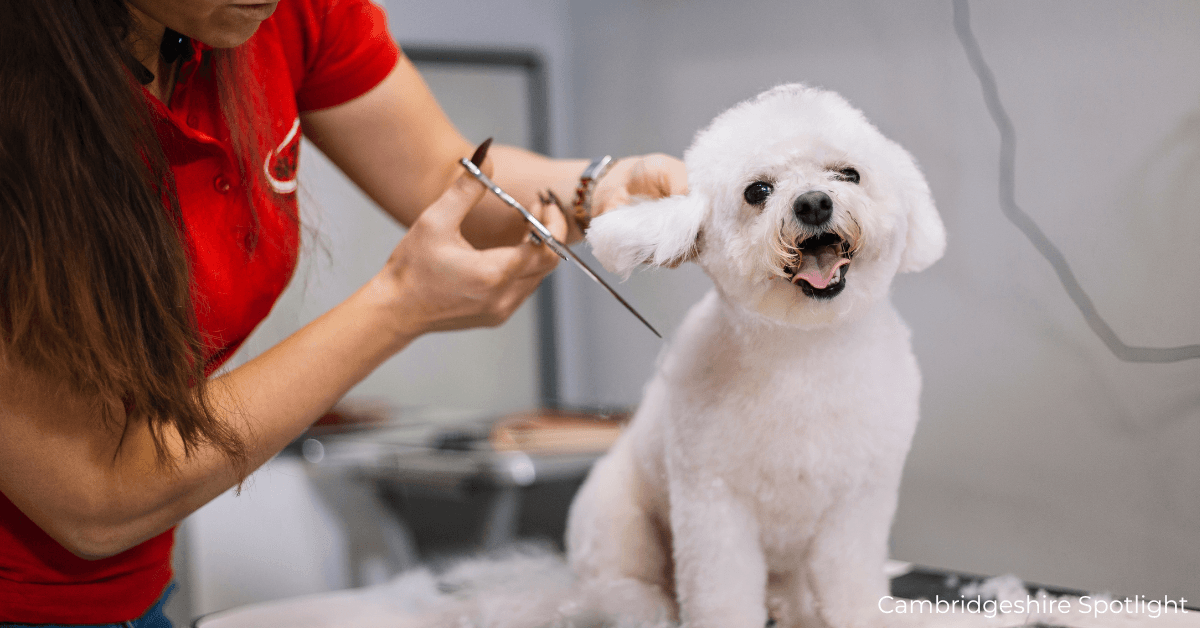
Not every dog needs a six-weekly grooming appointment.
And not every dog can get away with the occasional bath in the garden either.
The right grooming routine depends on the dog in front of you.
A short-coated Labrador has very different needs from a Cockapoo. A Border Collie is different again.
And a dog that spends every weekend charging through muddy fields is going to create more work than one whose idea of adventure is walking to the kitchen.
1. Short-coated dogs
Breeds such as Labradors, Beagles and many Staffie-type dogs usually don’t need complicated coat maintenance.
Regular brushing at home can remove loose hair and keep an eye on skin condition.
A professional groom may still help with:
For some dogs, occasional appointments are enough.
2. Long-haired dogs
Long coats need more attention because tangles can quickly turn into mats.
Areas behind the ears, under the legs, around collars and harnesses and underneath the body are common trouble spots.
Once matting becomes tight, brushing it out can become uncomfortable or even impossible.
That’s when clipping may be kinder than trying to save the coat.
3. Curly and wool-type coats
Poodles, Cockapoos, Labradoodles and similar coat types are often where owners get caught out.
These coats can keep growing and may mat underneath even when the surface looks fine.
Many dogs with this type of coat benefit from professional grooming roughly every 6–8 weeks, although the exact interval depends on coat length, brushing at home and the individual dog.
If you want a longer fluffy style, you generally need to do more maintenance between appointments.
4. Double-coated dogs
German Shepherds, Huskies, Golden Retrievers and many other breeds have undercoats designed to protect them in different weather conditions.
They can shed enormous amounts at certain times of year.
Professional deshedding can help remove loose undercoat, but shaving double-coated breeds is generally not something to do casually because the coat has an important protective function.
If you’re unsure, ask a groomer or vet who understands the breed.
5. Don’t forget nails
Coat gets most of the attention, but nails matter too.
If nails become too long they can affect how a dog stands and walks.
Some dogs naturally wear their nails down on hard surfaces. Others barely do.
A groomer, vet or vet nurse can tell you whether they need trimming.
6. Watch the dog, not just the calendar
The calendar is only a guide.
Look for:
Those are stronger clues than simply saying:
“We always go every eight weeks.”
One thing owners often discover too late
Brushing the top of the coat isn't necessarily brushing the whole coat.
With curly or longer-haired dogs, knots often form close to the skin.
That's why groomers sometimes have to clip a dog shorter than the owner expected.
It isn't because they didn't like the fluffy style.
It's because comfort comes first.
Grooming isn't just cosmetic
A good grooming routine can also help owners notice things early:
Lumps. Skin irritation. Ear problems. Parasites. Sore areas. Changes in coat condition.
A groomer isn't a replacement for a vet, but regular handling can sometimes reveal something that deserves a closer look.
So how often?
There isn't one answer.
A rough guide might be:
Short coats: occasional professional grooming, with regular home brushing.
Long coats: often every 6–12 weeks depending on coat and maintenance.
Curly coats: commonly around every 6–8 weeks.
Heavy double coats: seasonal deshedding and maintenance as needed.
The best schedule is the one that keeps your dog's coat comfortable and manageable.
Local Pet Insider
We’re also bringing back Local Pet Insider, where we’ll be covering dog training, grooming, vets, pet-friendly places and the local businesses pet owners rely on.
Ask A Dog Grooming Question I’d use that rather than another generic “read more” button. It gives us reader questions we can pass to a future groomer partner or turn into future Local Pet Insider content. |
0 Comments
Join the conversation
Be the first to comment
Share your thoughts above.