
Cambridgeshire Councils Raised About £100,000 In Litter Fines So Where Did The Money Go? |
The headline figure gets attention. The more interesting question is which councils issued the fines, who paid them and what happened to the money afterwards. |
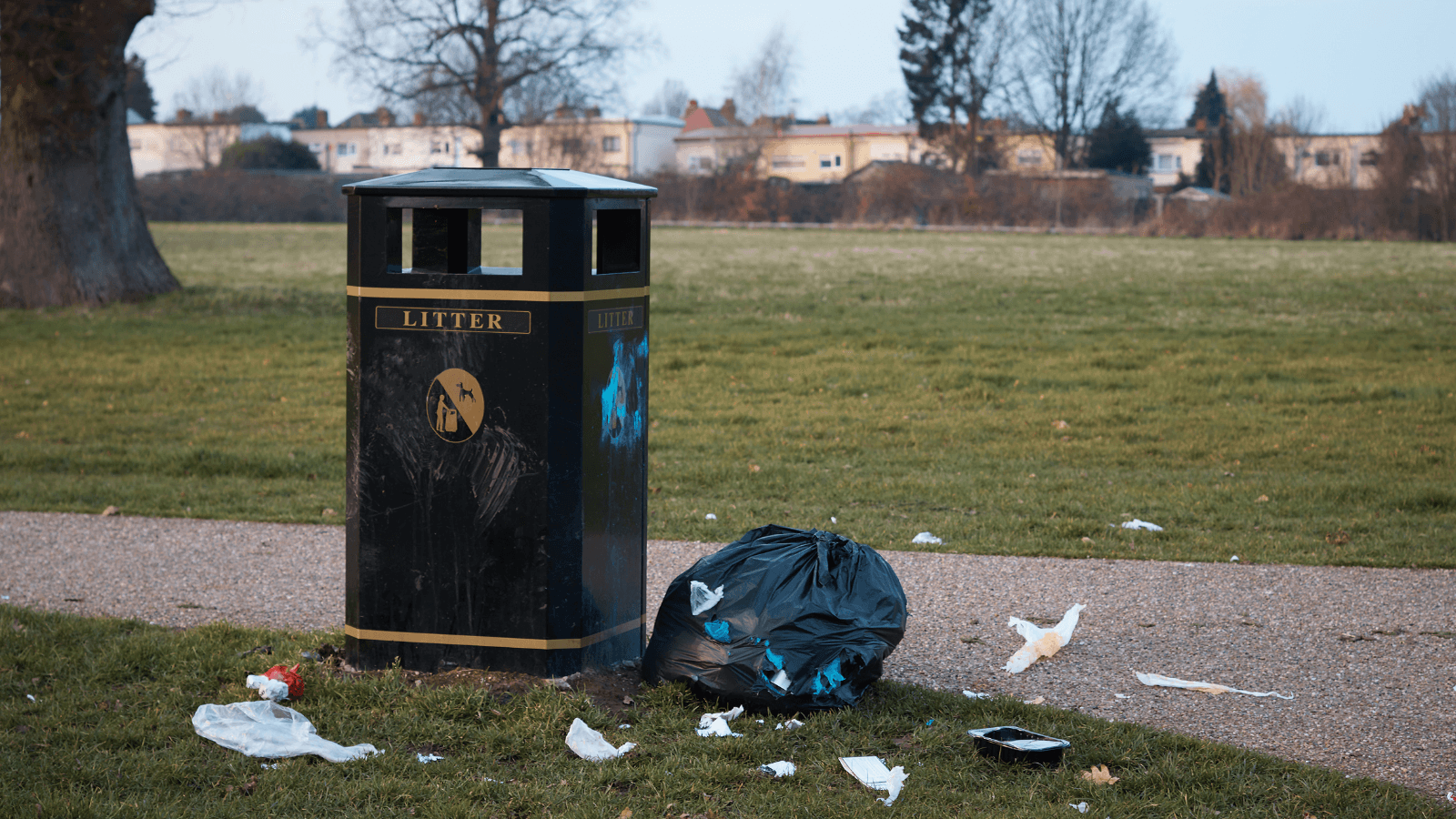
Nobody likes litter.
But tell people that Cambridgeshire councils have reportedly generated about £100,000 from littering fines, and the conversation quickly becomes about more than discarded cans and takeaway wrappers.
The obvious question is: what happened to the money?
The reported figure is large enough to attract attention, but on its own it tells us surprisingly little.
Was the £100,000 spread fairly evenly across Cambridgeshire, or did one council account for most of it?
Were hundreds of relatively small penalties issued, or was the total driven by a smaller number of cases?
And, perhaps most importantly for residents, did the money go back into street cleaning and environmental work or simply disappear into wider council budgets?
Those are the questions that turn a headline into a useful local story.
£100,000 sounds big until you know what sits underneath itA countywide figure can easily give the wrong impression.
If several councils are included and the total covers a long period, £100,000 may be less dramatic than it first appears.
If one authority generated a large share of the money in a relatively short period, that would be a very different story.
The same applies to the number of fines issued.
A council might issue hundreds of penalties but collect only a proportion of them.
Another might issue fewer fines but recover more of the money.
Without that breakdown, the headline number is interesting but incomplete.
Enforcement or revenue raising?
This is where the debate gets more uncomfortable.
Most residents would probably agree that dropping litter should have consequences.
Nobody wants pavements, verges and town centres covered in rubbish.
But people are likely to be much more sceptical if enforcement starts to look like a revenue stream rather than a way of keeping places cleaner.
That is why the local figures matter.
Residents should be able to see:
That would make it much easier to judge whether the system is working.
The question residents are entitled to ask
If fines are helping pay for street cleaning, enforcement officers, bins or environmental work, councils should be able to explain that clearly.
If the money goes into a wider budget, residents may still accept that but they should know.
And if a council is issuing significantly more fines than its neighbours, that raises another question:
Is that because littering is worse there, because enforcement is tougher, or simply because more officers are looking for offences?
The reported £100,000 figure is therefore only the beginning of the story.
The intersting next step is a council-by-council breakdown showing where the fines were issued and where the money ended up.
Because the real question is not simply “How much did councils collect?”
It is:
“Did £100,000 in fines make Cambridgeshire any cleaner?”
That is the answer worth finding. |
0 Comments
Join the conversation
Be the first to comment
Share your thoughts above.